Responsibility is one of those qualities many parents want to build in their children, but it can be difficult to teach through reminders alone. Telling a child to be more responsible rarely creates lasting change. Real responsibility tends to grow when children have opportunities to do meaningful work, make choices, and see that their contributions matter.
That is why real-world creative tasks can be so powerful.
When children participate in projects with a clear purpose, they are not just “staying busy.” They are practicing planning, follow-through, problem-solving, flexibility, and ownership. In other words, they are building the executive functioning skills that support responsibility from the inside out.
Why meaningful tasks matter
Kids are more likely to engage when a task feels real. A worksheet about organizing ideas may not feel exciting, but planning a family game night, designing a mini garden, creating a neighborhood lemonade stand sign, or helping prepare for a birthday celebration can feel purposeful and motivating.
Purpose changes the energy.
Children often rise to the occasion when they feel trusted with a real role. They are more willing to persist, revise, and problem-solve when the task has visible meaning and a natural outcome.
This is especially true for children who struggle with motivation, attention, or follow-through. Many kids do better when a task is hands-on, creative, and connected to real life.
The Missing Link: How Executive Function Shapes Everyday Learning
Responsibility grows through experience
Responsibility is not built all at once. It develops through repeated experiences of doing, forgetting, trying again, and eventually succeeding.
Real-world projects offer children a chance to practice:
planning steps in order
managing materials
using time wisely
recovering from mistakes
contributing to something larger than themselves
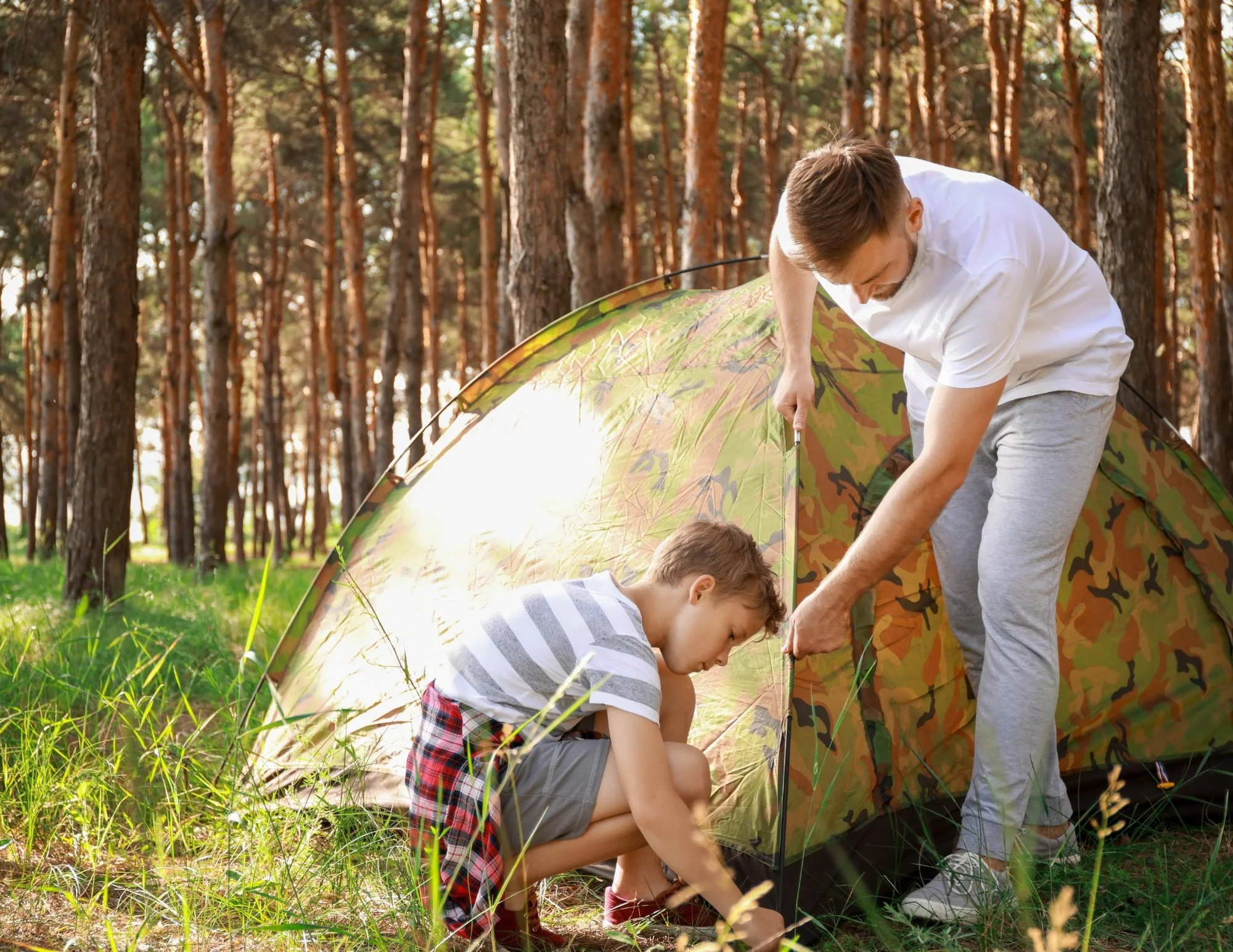
For example, a child helping make a family recipe has to gather ingredients, follow directions, manage time, and stay focused. A child creating a book recommendation poster for younger siblings has to organize ideas, finish a product, and think about audience. A child helping pack for a weekend trip has to anticipate needs and sequence tasks.
These are life skills, not just cute activities.
Creative tasks that build ownership
The best tasks are the ones that feel both manageable and meaningful. Depending on your child’s age, you might invite them to:
plan and host a family movie night
organize a bookshelf or game shelf by category
help design a weekly menu
create cards or gifts for neighbors or relatives
build a mini business idea, like a bake sale or pet care flyer
plan the materials and steps for an art or craft project
lead one part of a family event or outing
The goal is not perfection. The goal is participation, ownership, and practice.
Children learn responsibility by being given real chances to hold it.
Let the process teach the lesson
One of the hardest parts for adults is stepping back. When children move slowly, forget steps, or do something differently, it can be tempting to take over. But responsibility grows when children are allowed to experience the process.
That may mean letting them notice they forgot tape for their poster. It may mean allowing a plan to be imperfect. It may mean helping them reflect after the fact instead of preventing every mistake.
When adults do too much, children may complete the task, but they miss the learning.
Support is still important, of course. You can provide structure without taking ownership away. A simple question like, “What do you need first?” or “What is your plan?” encourages independence far more than jumping in with a full solution.
Purpose builds confidence too
There is another benefit to meaningful creative tasks: they help children see themselves as capable.
When a child completes something real, they begin to internalize, “I can do hard things. I can contribute. I can follow through.” That confidence carries into school, relationships, and daily routines.
Small Acts, Big Impact: Encouraging Compassion in Everyday Life
Responsibility is not just about chores or compliance. At its best, it is about helping children experience themselves as trustworthy, capable, and connected to the world around them.
And often, the path there is not more nagging. It is more purpose.
Written by Zoe G.