As spring unfolds, many parents notice a shift in their child’s behavior. Kids who seemed steady in the winter may suddenly become more emotional, forgetful, distracted, resistant, or exhausted. Homework that once felt manageable now leads to tears. Mornings feel harder. Little frustrations seem bigger than usual. If that sounds familiar, you are not imagining it.
This time of year can bring what many families experience as executive function fatigue. Executive functioning skills are the brain-based processes that help children plan, organize, regulate emotions, manage time, remember directions, and follow through on tasks. These skills are already developing slowly throughout childhood and adolescence, and by spring, many kids are simply running low on mental energy.
This is especially important for children who are already working hard to manage attention, learning differences, anxiety, sensory needs, or a full schedule. By this point in the school year, they have been adapting, coping, and pushing through for months.
The Missing Link: How Executive Function Shapes Everyday Learning
Why Spring Can Feel Especially Hard
Spring often looks lighter on the calendar, but it can feel heavier in real life. School expectations remain high, testing season may increase pressure, routines start shifting, and children can sense the end of the year approaching even if they cannot fully explain it.
There is often more going on than adults realize:
academic fatigue
social fatigue
less patience for transitions
more emotional reactivity
difficulty starting or finishing tasks
increased forgetfulness
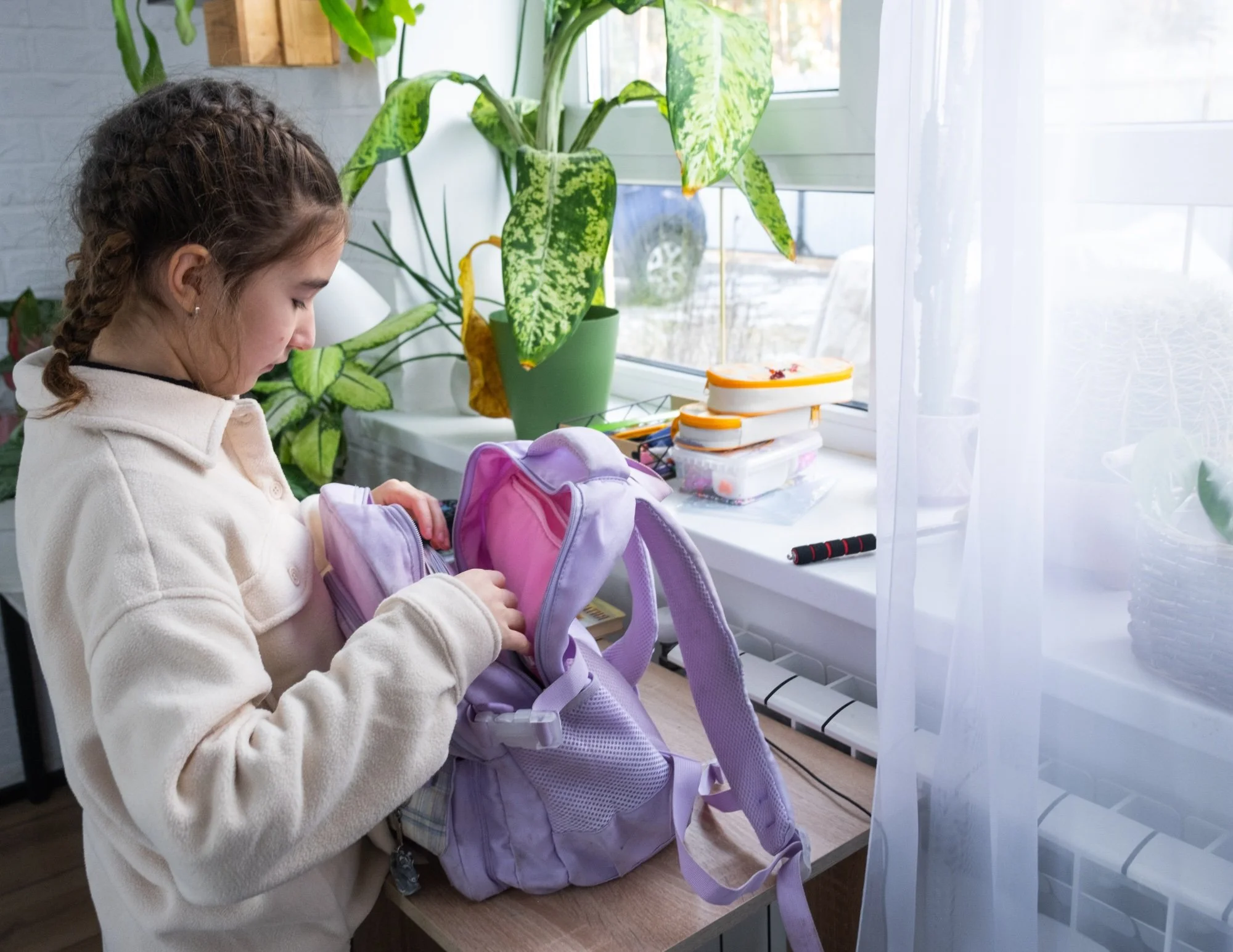
For kids, this can show up as procrastination, irritability, silliness, shutdowns, clinginess, messy backpacks, incomplete work, or more conflict at home. It is easy to misread these behaviors as laziness, attitude, or lack of motivation. More often, they are signs that a child’s internal systems are overloaded.
What Executive Functioning Fatigue Looks Like At Home
A child experiencing executive function fatigue may:
struggle to get started on familiar tasks
forget multi-step directions more often
become overwhelmed by simple requests
have a shorter emotional fuse
resist routines they usually handle well
seem tired but unable to settle
Parents sometimes say, “I know they know how to do this,” and that may be true. But knowing how to do something and having the mental energy to carry it out are not always the same. When executive function is strained, children often need more support, not more shame.
How To Support Your Child Gently
The good news is that support does not have to be complicated. In fact, spring is often a time to simplify. Start by reducing unnecessary pressure where you can. This may mean shortening homework blocks, breaking tasks into smaller steps, or using more visual reminders instead of repeated verbal directions.
Try a few simple shifts:
give one direction at a time
use checklists for routines
build in short movement or sensory breaks
preview transitions earlier than usual
focus on connection before correction
This is also a great time to help children borrow your calm. A regulated adult nervous system can do a lot to support a dysregulated child. Even small moments of steadiness matter.
Building Strong Parent-Child Bonds Through Everyday Micro-Moments
Support Does Not Mean Lowering Expectations
Supporting a tired child does not mean removing all responsibility. It means adjusting the way support is given so children can still experience success. Think of it as scaffolding instead of rescuing.
For example, instead of saying, “You need to be more responsible,” you might say, “Let’s make this easier to manage. What is the first step?” Instead of expecting a child to independently complete a long after-school routine, you might create a visual order: snack, rest, homework, outside time, dinner. When children feel less overwhelmed, they are often more willing to participate.
A Compassionate Lens Matters
Spring can make everyone tired, including parents. When routines start to fray, it helps to remember that children are not giving you a hard time as much as they may be having a hard time. This season is not a sign that something is wrong. It is often a signal that your child needs more regulation, more structure, more rest, and more grace.
With steady support, children can move through this season feeling understood instead of criticized. And that matters. When kids feel safe and supported, they are more able to rebuild the very skills that feel shaky. Sometimes the most powerful thing a parent can do in spring is not to push harder, but to notice sooner, simplify gently, and stay close.
Written by Zoe G.