
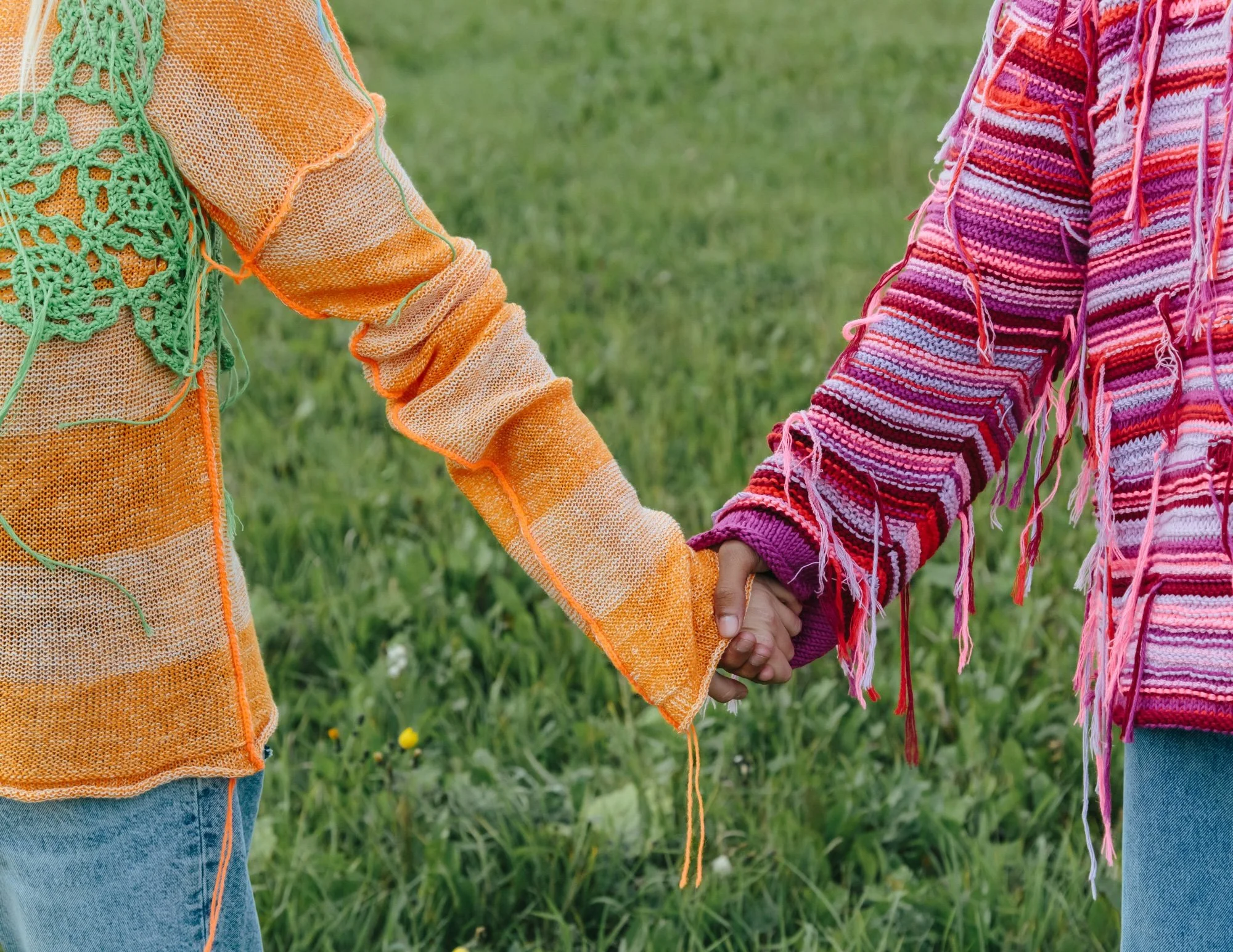
Students need to learn to manage their time and master course content just as much as they need to learn to navigate their social lives with integrity, compassion, and intention. Kindness and empathy are so much more than personality traits; rather, they are skills that are strengthened like any other through repetition, modeling, and conscious practice.
Cultivating emotional intelligence and compassion is crucial to the development of a well-rounded life and healthy relationships. With each of the practices below, there are accompanying discussion questions to encourage open-ended conversations about how to put these skills into action in your child’s daily life.
YOUNG LEARNERS: PLANTING THE SEEDS OF EMPATHY THROUGH ACTION
For children in elementary school, abstract concepts like "compassion" are better understood when translated into tangible behaviors. At this developmental stage, focus on making the internal experience of others visible and relatable.
The Power of Noticing: Create a daily practice of noticing the needs of others. This could be as simple as recognizing that a classmate looks lonely on the playground or a sibling is struggling with a heavy toy. By voicing these observations out loud, children are sharpening their social "radar."
Example questions:
"Who did you see being helpful or kind today at school, and how did it seem to make the other person feel?"
"If you saw a friend or a classmate feeling sad or frustrated, what is one small thing you could do to help them feel better without even using words?"
Gratitude Literacy: Expressing appreciation fundamentally shifts a child’s focus from self-centeredness to external awareness. A quick thank-you note for a teacher or a verbal acknowledgment of a meal are small but powerful gestures that reinforce the message that their well-being is supported by their community and highlight the intrinsic value of one person’s contribution.
Example question: "Think of one person who did something helpful for you today. What is a way we can show them that we appreciated their effort?"
ADOLESCENTS: INTEGRATING KINDNESS & IDENTITY
Treating kindness as a discipline rather than an afterthought prepares students for a future where compassion and competence go hand in hand. But as they enter middle and high school, the pressure to conform often feels so much louder than the impulse to be kind. At this stage, fostering compassion calls for a more sophisticated approach that aligns with their growing need for autonomy and purpose.
Perspective-Taking: Adolescence is a period of intense self-focus and identity-building, yet it is also a potent opportunity to develop metacognitive empathy. When conflicts arise, help them identify and process the invisible variables that might exist in someone else’s life. Understanding that irritability might stem from stress at home or a poor night’s sleep encourages your child to respond with patience rather than retaliation.
Example questions:
"When someone at school is acting difficult or unkind, what are some 'unseen stressors' that might be influencing their behavior?"
"Sometimes it is harder to be kind when your peers are being judgmental. In what situations do you think it takes the most courage to stand up for someone else or show empathy?"
Service as a System: Move beyond random acts of kindness by asking older students to find a consistent way to contribute to a cause they value. Whether they are tutoring a younger student or volunteering at a local charity, a regular practice of service transitions kindness from the occasional "good deed" to a core component of their identity. Modern academics and teens’ social worlds are highly competitive; by offering this counter-narrative of success, students can see that their impact on the world around them may offer a better system for defining and measuring what that means to them.
Example questions:
"When people describe your character five years from now, how much weight do you want them to place on your achievements versus how you treated the people around you?"
"How can we practice 'digital kindness' in a way that goes beyond just avoiding conflict, but actually builds someone else up online?
By prioritizing compassion and scaffolding social-emotional skills at home, it creates a ripple effect that extends into children’s classrooms and the world at large. They start to recognize that kindness is a proactive choice - not a passive reaction - and then develop a greater sense of agency in their lives and feeling of social responsibility to their communities. This small shift in perspective transforms small, daily interactions into powerful opportunities for enhancing connection and nurturing whole-child character growth. Try starting with one simple question at dinner tonight: "As a family, what is one 'small act' we can commit to doing this week to help someone in our neighborhood or community?"
Written by Brandi R.