
Summer Reading Without the Battle: Protecting Skills While Preserving Joy


While summer break is a crucial time for decompression and freedom, it also represents a critical window that can dramatically impact the cognitive gains they earned over the past school year. Research shows that students can lose as much as 39% of learning in a single summer, and worse, that these losses are cumulative across multiple years.

One of the key influences on these varied outcomes is whether reading is an embedded part of how their free time is spent. While rest, recovery, and play are foundational to a healthy summer break, so are the skills they worked so hard to strengthen. Beyond the classroom, reading fluency and comprehension are sharpened through repetition, content, and intentional practice. 

Fortunately, protecting these gains do not need to translate into rigid demands or emotionally draining stand-offs. Integrating literacy into children’s natural routines can preserve the essential spirit of summer while quietly reinforcing both executive functions and reading stamina. At any age, creating an environment rich in opportunities for enhanced literacy and development can play a fundamental role in teaching children to be lifelong learners.

YOUNG LEARNERS: EMBEDDING LITERACY IN THE PHYSICAL WORLD

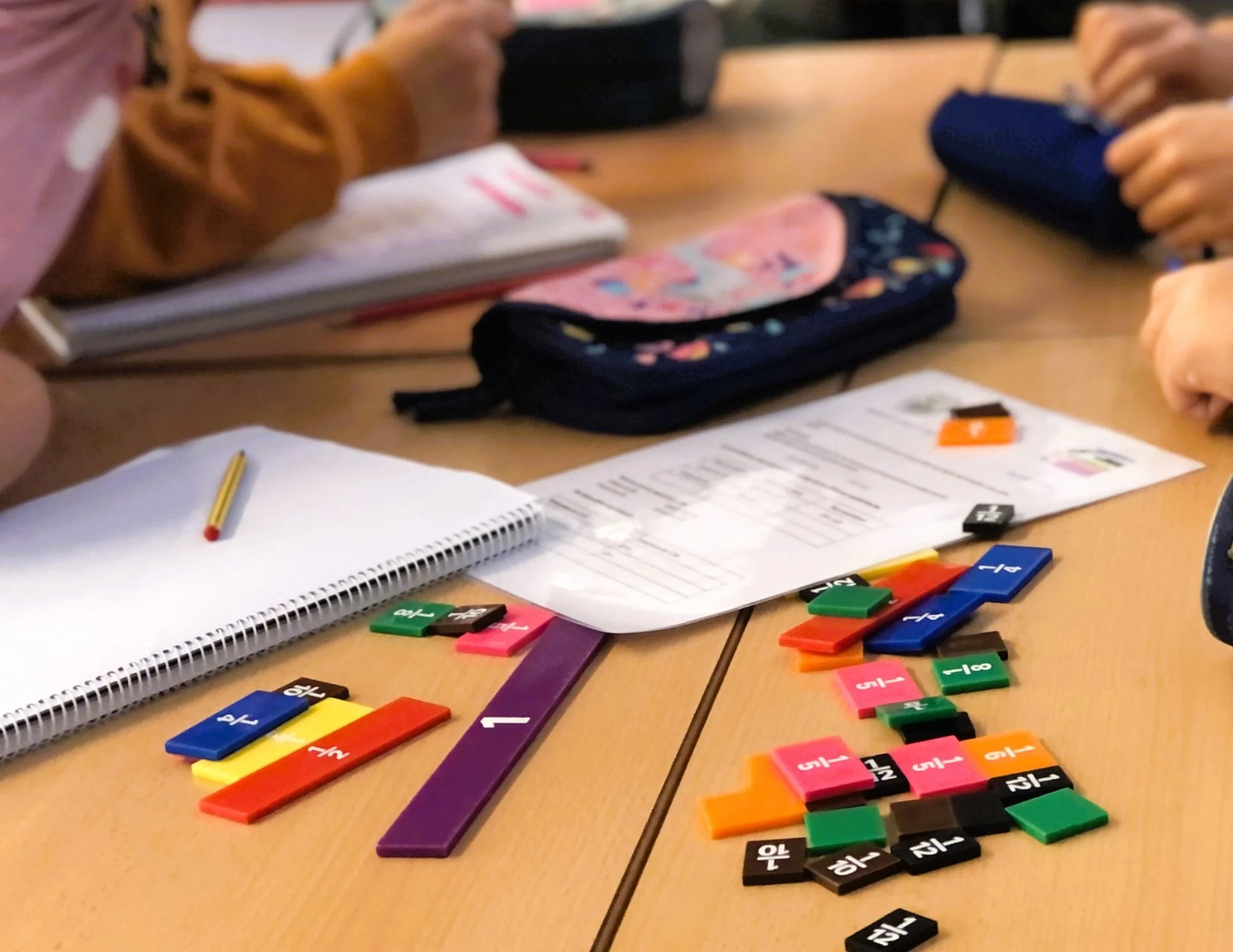
It’s no secret that young students are often incredibly tactile, curious, and interactive. These qualities support translating abstract reading milestones into much more hands-on and everyday behaviors and environmental opportunities. Disconnected from academic pressure, this approach can turn reading experiences into visual, engaging moments full of connection and exploration. 

  • Environmental Literacy: With a simple glance around the room, it is immediately evident that text is a natural part of our immediate surroundings. Board game directions, recipes, street signs, and ingredients lists all pose micro-instances of reading opportunities and critical thinking. By drawing intentional attention to printed language in real-world contexts, young learners sharpen their reading application skills: What is that ingredient we can’t pronounce? What does ‘Yield’ mean? How does one actually ‘fold the cheese’?

  • Interest-Driven Choice: Contrary to some ‘old school’ rules of thought, reading does not need to be confined to classic literature to “count” or positively impact students’ reading abilities. Graphic novels, audiobooks, illustrated magazines, and alternative types of texts all shift students’ perception of reading from ‘chore’ to ‘freedom and fun.’ Relinquishing control and nurturing autonomy will allow them to reinforce their decoding skills and build vocabulary without resistance.

ADOLESCENTS: NAVIGATING AUTONOMY AND DEEP COMPREHENSION

Treating critical reading as an intellectual discipline prepares older students for advanced coursework where analysis and executive planning intersect. But as middle and high school students gain independence, standard academic assignments face significant pushback. At this stage, sustaining literacy calls for a more sophisticated approach that aligns with their growing need for personal agency and purpose.

  • Current Events and Media Literacy: Adolescence is a period heavily defined by intense identity-building and growing global awareness. While this time can be uncertain and confusing at times, it also offers an ideal opportunity for supporting critical thinking and analytical skills. Encouraging older students to explore complex real-world texts and navigate frequently conflicting information not only triggers their natural instinct for passionate debate, but also connects their learning to the world around them through different viewpoints and the evaluation of others’ credibility and use of evidence. High-interest editorials, long-form journalism, or science articles that connect to their passions can all serve as an entry point to understanding the world in which they are looking to find ‘their place.’

  • Co-Reading Systems: Another strategy that moves beyond solitary reading expectations is by establishing a co-reading model. For instance, selecting a book to read concurrently creates a low-pressure collaborative dynamic; this transitions reading from an isolated demand into an intellectual partnership that respects teenage autonomy. If this is a challenge or still creates resistance, then designating a set ‘family-read’ time each day - where everyone reads their own selected text but in a shared space - can still promote reading in a way that nurtures connection and fosters meaningful conversations about what was individually learned or experienced. 

Much like how learning loss can accumulate over multiple summers and school years, so too can the ripple effect of summer gains grow from one year to the next. Prioritizing the strategic integration of low-pressure literacy habits into their everyday lives and the home environment can have a massive impact on their success in the classroom and future pursuits. This small, subtle shift in perspective can transform daily interactions into powerful opportunities for growth and continued academic success.

Written by Brandi R.

Beyond the Report Card: Teaching Kids to Reflect, Learn, and Grow


As the school year comes to a close, many families naturally focus on grades, test scores, teacher comments, and final projects. These things can provide useful information, but they do not tell the whole story of a child’s growth.

A report card captures performance. Reflection builds insight.

When children learn how to look back on their experiences with curiosity instead of judgment, they begin developing self-awareness, resilience, and a healthier relationship with learning. Reflection helps them notice progress, understand challenges, and imagine next steps. It turns learning into something deeper than a number or label.

Reflection is a skill

Many adults assume reflection happens automatically. It does not.

Children often need help learning how to pause, notice, and make meaning from their experiences. Without support, they may default to overly simple conclusions: “I’m bad at math,” “I’m not smart,” “I did great,” or “I just hate writing.” Reflection teaches them to go deeper.

Instead of judging themselves, children can learn to ask:

  • What felt easier this year?

  • What was hard for me?

  • When did I feel proud?

  • What helped me grow?

  • What do I want to keep working on?

These kinds of questions help children build a more accurate and compassionate understanding of themselves as learners.

Why reflection matters beyond school

Reflection supports much more than academics. It strengthens executive functioning, emotional regulation, problem-solving, and confidence. When children practice reflection, they become better able to:

  • recognize patterns

  • learn from mistakes

  • set realistic goals

  • communicate their needs

  • celebrate progress

This is especially valuable for children who tend to be perfectionistic or hard on themselves. Reflection gives them language for growth that is not based entirely on success or failure.

The Missing Link: How Executive Function Shapes Everyday Learning

Make reflection feel safe

If reflection feels like evaluation, many kids will shut down. That is why tone matters so much.

Children are more open when reflection feels conversational, supportive, and low-pressure. You do not need a formal worksheet to do it well. Sometimes the best reflection happens casually: during a walk, in the car, at bedtime, or over a snack.

You might say:

  • “What is something you can do now that felt harder at the beginning of the year?”

  • “What is one challenge you handled better than you used to?”

  • “What helped you get through hard moments this year?”

  • “What do you want next year to feel like?”

These questions invite growth-minded thinking without turning the moment into a performance.

Help kids notice more than outcomes

One of the most valuable parts of reflection is teaching children to look beyond final results. A child who did not get the grade they hoped for may still have shown persistence, courage, creativity, or improved independence. A child who earned strong grades may still need to reflect on stress, balance, or self-advocacy.

Try helping your child reflect on:

  • habits they improved

  • ways they showed kindness

  • times they kept going

  • skills they are still building

  • moments they surprised themselves

Small Acts, Big Impact: Encouraging Compassion in Everyday Life

Reflection builds resilience

When children learn to reflect well, they stop seeing learning as something that simply happens to them. They begin to see themselves as active participants in their own growth.

That shift matters.

A reflective child is more likely to say, “This was hard, but I learned something,” instead of “I failed.” They are more likely to recognize progress, ask for help, and move forward with self-awareness.

At the end of the year, report cards may still matter. But they are only one piece of the story.

The deeper goal is to help children develop the habits of mind that will serve them long after any school year ends: curiosity, honesty, perspective, and the ability to grow.

When families make space for reflection, they give children a gift that lasts far beyond the final grade.

Building Strong Parent-Child Bonds Through Everyday Micro-Moments

Written by Zoe G.

When Everyone Is Tired: Helping Kids Stay Regulated


By the time the school year begins winding down, many families are running on fumes.

Children are tired. Parents are tired. Teachers are tired. Routines that once felt solid can start to fray, and even small tasks may suddenly feel harder to manage. Emotions run closer to the surface. Patience feels shorter. Mornings become rougher, and afternoons can feel especially fragile.

If your household feels more reactive or less steady this time of year, you are far from alone.

The end of the school year often places extra demands on everyone’s nervous system. There are schedule changes, events, testing, transitions, unfinished academic work, and a growing awareness that summer is coming. Even exciting change can create stress.

Why regulation gets harder in May

Children depend on routines, predictability, and adult co-regulation more than we sometimes realize. At the end of the year, those supports can become less consistent. School may have more special events, less structure, and more stimulation. Parents may be juggling end-of-year logistics, work demands, and planning for summer.

All of that affects regulation.

When children are dysregulated, they may not say, “I’m feeling overloaded by transition and cognitive fatigue.” Instead, they may seem clingy, argumentative, silly, oppositional, withdrawn, or tearful. Parents may feel the same strain in different ways: irritability, mental overload, forgetfulness, and a lower tolerance for noise or conflict.

This is not failure. It is often a sign that everyone needs more support, not more pressure.

Why Spring Feels Hard for Kids: Understanding Executive Function Fatigue

Connection helps regulate

When stress is high, many families instinctively move into management mode: hurry up, finish this, get in the car, stop arguing, just do your homework. Of course that is understandable. But during dysregulated seasons, connection often works better than control.

Connection does not have to mean long heart-to-heart talks. It can look like:

  • sitting next to your child during homework

  • using a calm voice even when you are setting a limit

  • offering a snack and a reset before asking questions

  • making space for a short walk or shared laugh

  • acknowledging feelings before moving to solutions

These small moments send the message: “You are safe. We can do this together.”

That message helps children return to a more regulated state.

Building Strong Parent-Child Bonds Through Everyday Micro-Moments

Simplify where you can

At the end of the year, simplification is a powerful tool. Not everything has to be optimized.

Look for places where you can reduce friction:

  • keep after-school routines predictable

  • lower the number of unnecessary choices

  • write things down instead of relying on memory

  • protect downtime when possible

  • prioritize sleep, food, hydration, and movement

Sometimes families benefit from deciding what matters most for this season. Maybe the goal is not perfect homework habits and a spotless room and elaborate enrichment. Maybe the goal is making it through with steadiness, dignity, and enough connection to stay grounded.

That is still meaningful success.

Help children name what they are feeling

Children often feel calmer when adults help put words to their experience. You might say, “It feels like your body is really tired today,” or “There has been a lot going on lately, and I can see this feels hard.”

Naming what is happening reduces shame. It reminds children that feelings can be noticed and supported, not judged.

This is also a helpful time to model regulation out loud. Parents can say things like, “I’m feeling overwhelmed, so I’m going to take a breath and make a list,” or “I need a calm minute before I answer.”

That kind of modeling teaches children that regulation is a skill, not a personality trait.

End-of-year support can be gentle

The end of the school year does not need to be managed through pressure alone. In fact, many children respond better to warmth, rhythm, and realistic expectations than to constant correction.

When everyone is tired, it helps to remember that regulation and connection are deeply linked. Children do better when they feel anchored. Parents do better when they allow themselves to simplify and reset too.

This season may feel messy, but it also offers a chance to practice something important: staying close to one another even when energy is low and routines are stretched.

That is not just survival. It is a meaningful form of family resilience.

The Gift of Presence: How Mindful Traditions Strengthen Family Bonds

Written by Zoe G.

Why Spring Feels Hard for Kids: Understanding Executive Function Fatigue

As spring unfolds, many parents notice a shift in their child’s behavior. Kids who seemed steady in the winter may suddenly become more emotional, forgetful, distracted, resistant, or exhausted. Homework that once felt manageable now leads to tears. Mornings feel harder. Little frustrations seem bigger than usual. If that sounds familiar, you are not imagining it.

This time of year can bring what many families experience as executive function fatigue. Executive functioning skills are the brain-based processes that help children plan, organize, regulate emotions, manage time, remember directions, and follow through on tasks. These skills are already developing slowly throughout childhood and adolescence, and by spring, many kids are simply running low on mental energy.

This is especially important for children who are already working hard to manage attention, learning differences, anxiety, sensory needs, or a full schedule. By this point in the school year, they have been adapting, coping, and pushing through for months.

The Missing Link: How Executive Function Shapes Everyday Learning

Why Spring Can Feel Especially Hard

Spring often looks lighter on the calendar, but it can feel heavier in real life. School expectations remain high, testing season may increase pressure, routines start shifting, and children can sense the end of the year approaching even if they cannot fully explain it.

There is often more going on than adults realize:

  • academic fatigue

  • social fatigue

  • less patience for transitions

  • more emotional reactivity

  • difficulty starting or finishing tasks

  • increased forgetfulness

For kids, this can show up as procrastination, irritability, silliness, shutdowns, clinginess, messy backpacks, incomplete work, or more conflict at home. It is easy to misread these behaviors as laziness, attitude, or lack of motivation. More often, they are signs that a child’s internal systems are overloaded.

What Executive Functioning Fatigue Looks Like At Home

A child experiencing executive function fatigue may:

  • struggle to get started on familiar tasks

  • forget multi-step directions more often

  • become overwhelmed by simple requests

  • have a shorter emotional fuse

  • resist routines they usually handle well

  • seem tired but unable to settle

Parents sometimes say, “I know they know how to do this,” and that may be true. But knowing how to do something and having the mental energy to carry it out are not always the same. When executive function is strained, children often need more support, not more shame.

How To Support Your Child Gently

The good news is that support does not have to be complicated. In fact, spring is often a time to simplify. Start by reducing unnecessary pressure where you can. This may mean shortening homework blocks, breaking tasks into smaller steps, or using more visual reminders instead of repeated verbal directions.

Try a few simple shifts:

  • give one direction at a time

  • use checklists for routines

  • build in short movement or sensory breaks

  • preview transitions earlier than usual

  • focus on connection before correction

This is also a great time to help children borrow your calm. A regulated adult nervous system can do a lot to support a dysregulated child. Even small moments of steadiness matter.

Building Strong Parent-Child Bonds Through Everyday Micro-Moments

Support Does Not Mean Lowering Expectations

Supporting a tired child does not mean removing all responsibility. It means adjusting the way support is given so children can still experience success. Think of it as scaffolding instead of rescuing.

For example, instead of saying, “You need to be more responsible,” you might say, “Let’s make this easier to manage. What is the first step?” Instead of expecting a child to independently complete a long after-school routine, you might create a visual order: snack, rest, homework, outside time, dinner. When children feel less overwhelmed, they are often more willing to participate.

A Compassionate Lens Matters

Spring can make everyone tired, including parents. When routines start to fray, it helps to remember that children are not giving you a hard time as much as they may be having a hard time. This season is not a sign that something is wrong. It is often a signal that your child needs more regulation, more structure, more rest, and more grace.

With steady support, children can move through this season feeling understood instead of criticized. And that matters. When kids feel safe and supported, they are more able to rebuild the very skills that feel shaky. Sometimes the most powerful thing a parent can do in spring is not to push harder, but to notice sooner, simplify gently, and stay close.

Written by Zoe G.

Why Play Is Serious Learning: How Fun Builds Focus, Flexibility, and Confidence


Play often looks simple on the surface.

Blocks scattered across the floor.
A board game at the kitchen table.
A child inventing an imaginary world.
Laughter during a family card game.

But beneath that fun is something powerful happening.

Play is not a break from learning.
Play is how children build the executive functioning skills that make learning possible.

At Peak Academics, we often support students in tutoring sessions with organization, planning, focus, emotional regulation, and flexible thinking. What many families don’t realize is that playful experiences are one of the most natural and effective ways to strengthen those very skills.

What Play Is Actually Building

When children engage in meaningful play, their brains are practicing:

  • Working memory (holding rules in mind during a game)

  • Impulse control (waiting their turn)

  • Flexible thinking (adjusting when the game changes)

  • Planning and organization (building, strategizing, sequencing)

  • Emotional regulation (losing gracefully, managing frustration)

These are core executive functioning skills — the same skills that help a student complete homework independently, manage long-term projects, or persist through challenging math problems.

As discussed in The Missing Link: How Executive Function Shapes Everyday Learning, these skills don’t develop through worksheets alone. They grow through active, engaging experiences.

Play is one of the most developmentally appropriate ways to strengthen them.

Why Play Strengthens Focus

When something feels enjoyable, the brain releases dopamine — a neurotransmitter linked to motivation and attention. In simple terms: fun increases focus.

Think about how long a child can concentrate on building a LEGO structure or designing a pretend world. Compare that to how long they can sit through something that feels disconnected or overly rigid.

  • Play creates intrinsic motivation.

  • Intrinsic motivation builds stamina.

  • Stamina supports academic success.

For students who struggle with attention or task initiation — areas Peak often addresses through tutoring and executive function coaching — structured play can gently strengthen the brain’s ability to stay engaged without pressure.

Play Builds Cognitive Flexibility

One of the most important — and often overlooked — executive functioning skills is flexibility.

Flexibility allows children to:

  • Shift strategies

  • Adapt when plans change

  • Recover from mistakes

  • Consider new perspectives

Board games are excellent flexibility training grounds. So are imaginative role-playing games, cooperative building challenges, and open-ended art projects.

When a tower falls or a strategy doesn’t work, children practice adjusting in real time. These small experiences build resilience and problem-solving skills that transfer directly to the classroom.

This aligns closely with Peak’s emphasis on emotional safety and connection, as explored in Building Strong Parent-Child Bonds Through Everyday Micro-Moments.

Play Builds Confidence (Without Performance Pressure)

Academic environments can sometimes feel high-stakes. Tests, grades, deadlines — even well-supported students may internalize pressure.Play removes the performance spotlight. There’s room to experiment. To fail. To try again.This freedom builds confidence because children experience themselves as capable problem-solvers — not just students being evaluated.

And confidence is deeply connected to executive functioning. A child who believes “I can figure this out” is more likely to persist, plan, and regulate emotions when challenges arise.

Our recent blog post Small Acts, Big Impact: Encouraging Compassion in Everyday Life emphasizes encouragement and growth.

What “Serious Play” Looks Like at Different Ages

For families with children Pre-K through 9th grade, play evolves — but its value remains.

Pre-K to Early Elementary

  • Pretend play

  • Sensory exploration

  • Simple board games

  • Building and constructing

Upper Elementary

  • Strategy games (chess, card games)

  • Creative storytelling

  • STEM building challenges

  • Cooperative group games

Middle School

  • Debate-style games

  • Escape-room style challenges

  • Collaborative creative projects

  • Problem-solving competitions

Even older students benefit from playful cognitive challenges. Play doesn’t disappear — it becomes more strategic and collaborative.

How to Intentionally Use Play to Strengthen Executive Functioning Skills

You don’t need elaborate setups. Try:

  • Family game night once a week to practice turn-taking and emotional regulation.

  • Open-ended building challenges (“Build a bridge that holds five books.”)

  • Creative constraints (“Write a story using only 50 words.”)

  • Timed collaboration games to practice planning and organization.

During play, gently name the skills you see:

  • “I noticed you changed your strategy when that didn’t work — that’s flexible thinking.”

  • “You waited patiently even though you were excited — that’s impulse control.”

This builds metacognition — awareness of executive functioning skills in action.

Key Takeaways for Parents

  • Play is a powerful way to build executive functioning skills.

  • Fun increases motivation, attention, and stamina.

  • Flexibility and emotional regulation grow naturally through games.

  • Confidence develops when children can experiment without pressure.

  • Play complements tutoring and academic skill-building.

At Peak Academics, we believe learning should engage the whole child — mind, emotions, and curiosity. Play is not a distraction from growth. It is one of the most developmentally powerful tools we have.

Written by Zoe G.

Building Strong Parent-Child Bonds Through Everyday Micro-Moments


In today’s busy world, many parents worry they aren’t spending enough quality time with their children. Between school, activities, and daily responsibilities, connection can feel like one more thing to fit into an already packed schedule. But strong parent-child bonds aren’t built through grand gestures — they grow through micro-moments: small, consistent interactions that communicate safety, attention, and care. These everyday moments play a powerful role in supporting children’s emotional regulation, executive functioning skills, and overall sense of belonging.

What Are Micro-Moments?

Micro-moments are brief, meaningful interactions that happen naturally throughout the day. They don’t require extra time or elaborate planning — just presence. Examples include:

  • Making eye contact and greeting your child by name

  • Pausing to listen when your child shares a thought

  • Sharing a laugh during a routine task

  • Offering reassurance during moments of frustration

While these moments are short, they send a powerful message: You matter. I see you. This idea connects closely with Peak’s emphasis on presence and compassion, as explored in “Small Acts, Big Impact: Encouraging Compassion in Everyday Life.”

Why Micro-Moments Matter for Kids

Children thrive when they feel emotionally safe and connected. Research in child development shows that consistent positive interactions help strengthen the brain systems responsible for attention, flexibility, and self-control — all essential executive functioning skills. When children experience frequent moments of connection, they are more likely to:

  • Regulate emotions more effectively

  • Persist through challenges

  • Build confidence and independence

  • Feel secure taking academic and social risks

This aligns with Peak’s whole-child approach, which recognizes that emotional connection supports academic success — a theme echoed in “The Missing Link: How Executive Function Shapes Everyday Learning.”

The Connection Between Emotional Safety and Executive Functioning

Executive functioning skills like organization, planning, time management, and flexibility don’t develop in isolation. They are deeply connected to how safe and supported a child feels.

When children feel rushed, disconnected, or misunderstood, their mental energy is often spent managing stress. Micro-moments of connection help reduce that stress, freeing up cognitive resources for learning, problem-solving, and self-regulation. This is especially important for children who struggle with transitions, attention, or emotional intensity — areas Peak Academics frequently supports through executive function coaching and tutoring.

Simple Micro-Moments You Can Build Into Daily Routines

You don’t need to add anything new to your day. Instead, layer connections into routines you already have.

During transitions

  • Offer a calm verbal check-in

  • Use predictable, reassuring language

At meals

  • Ask one open-ended question (“What was the best part of your day?”)

  • Share something small about your own experience

During homework or tutoring time

  • Acknowledge effort, not just outcomes

  • Sit nearby to signal support

At bedtime

  • Reflect on one positive moment from the day

  • End with a consistent ritual (a phrase, hug, or moment of gratitude)

These strategies complement ideas shared in “The Gift of Presence: How Mindful Traditions Strengthen Family Bonds.”

When Micro-Moments Matter Most

Micro-moments are especially impactful when children are:

  • Feeling overwhelmed or dysregulated

  • Making mistakes

  • Experiencing big emotions

In these moments, connection should come before correction. A calm, present response helps children feel safe enough to reflect, reset, and try again — a foundational skill for long-term emotional regulation and resilience.

Key Takeaways for Parents

  • Strong relationships are built through consistency, not intensity

  • Small moments of connection support executive functioning skills

  • Emotional regulation improves when children feel seen and safe

  • You don’t need more time — just intentional attention

At Peak Academics, we believe academic growth and emotional well-being go hand in hand. By prioritizing everyday micro-moments, families create a foundation of trust, connection, and confidence that supports children both in and out of the classroom.

Written by Zoe G.

Small Acts, Big Impact: Encouraging Compassion in Everyday Life


Students need to learn to manage their time and master course content just as much as they need to learn to navigate their social lives with integrity, compassion, and intention. Kindness and empathy are so much more than personality traits; rather, they are skills that are strengthened like any other through repetition, modeling, and conscious practice.

Cultivating emotional intelligence and compassion is crucial to the development of a well-rounded life and healthy relationships. With each of the practices below, there are accompanying discussion questions to encourage open-ended conversations about how to put these skills into action in your child’s daily life.

YOUNG LEARNERS: PLANTING THE SEEDS OF EMPATHY THROUGH ACTION

For children in elementary school, abstract concepts like "compassion" are better understood when translated into tangible behaviors. At this developmental stage, focus on making the internal experience of others visible and relatable.

  • The Power of Noticing: Create a daily practice of noticing the needs of others. This could be as simple as recognizing that a classmate looks lonely on the playground or a sibling is struggling with a heavy toy. By voicing these observations out loud, children are sharpening their social "radar." 

    • Example questions:

      • "Who did you see being helpful or kind today at school, and how did it seem to make the other person feel?"

      • "If you saw a friend or a classmate feeling sad or frustrated, what is one small thing you could do to help them feel better without even using words?"

  • Gratitude Literacy: Expressing appreciation fundamentally shifts a child’s focus from self-centeredness to external awareness. A quick thank-you note for a teacher or a verbal acknowledgment of a meal are small but powerful gestures that reinforce the message that their well-being is supported by their community and highlight the intrinsic value of one person’s contribution. 

    • Example question: "Think of one person who did something helpful for you today. What is a way we can show them that we appreciated their effort?"

ADOLESCENTS: INTEGRATING KINDNESS & IDENTITY

Treating kindness as a discipline rather than an afterthought prepares students for a future where compassion and competence go hand in hand. But as they enter middle and high school, the pressure to conform often feels so much louder than the impulse to be kind. At this stage, fostering compassion calls for a more sophisticated approach that aligns with their growing need for autonomy and purpose.

  • Perspective-Taking: Adolescence is a period of intense self-focus and identity-building, yet it is also a potent opportunity to develop metacognitive empathy. When conflicts arise, help them identify and process the invisible variables that might exist in someone else’s life. Understanding that irritability might stem from stress at home or a poor night’s sleep encourages your child to respond with patience rather than retaliation. 

    • Example questions:

      • "When someone at school is acting difficult or unkind, what are some 'unseen stressors' that might be influencing their behavior?"

      • "Sometimes it is harder to be kind when your peers are being judgmental. In what situations do you think it takes the most courage to stand up for someone else or show empathy?"

  • Service as a System: Move beyond random acts of kindness by asking older students to find a consistent way to contribute to a cause they value. Whether they are tutoring a younger student or volunteering at a local charity, a regular practice of service transitions kindness from the occasional "good deed" to a core component of their identity. Modern academics and teens’ social worlds are highly competitive; by offering this counter-narrative of success, students can see that their impact on the world around them may offer a better system for defining and measuring what that means to them.

    • Example questions:

      • "When people describe your character five years from now, how much weight do you want them to place on your achievements versus how you treated the people around you?"

      • "How can we practice 'digital kindness' in a way that goes beyond just avoiding conflict, but actually builds someone else up online?

By prioritizing compassion and scaffolding social-emotional skills at home, it creates a ripple effect that extends into children’s classrooms and the world at large. They start to recognize that kindness is a proactive choice - not a passive reaction - and then develop a greater sense of agency in their lives and feeling of social responsibility to their communities. This small shift in perspective transforms small, daily interactions into powerful opportunities for enhancing connection and nurturing whole-child character growth. Try starting with one simple question at dinner tonight: "As a family, what is one 'small act' we can commit to doing this week to help someone in our neighborhood or community?"

Written by Brandi R.

Navigating the January Dip: Helping Your Child Regain Academic Momentum


While the beginning of an academic year is fueled by the novelty of new supplies and class schedules, returning to school in January often marks a mid-year period of academic fatigue. A natural dip in momentum often takes place because the demands of the curriculum increase just as the initial excitement has worn off. However, this moment of transition can serve as a critical juncture for continued executive functioning development. 

To help navigate this time period, try making a strategic shift to a sustainable ‘marathon, not a sprint’ mindset. A child’s ability to re-engage with their daily responsibilities is strengthened when the systems that support task initiation, sustained attention, and emotional regulation are reinforced. This reinforcement offers a powerful opportunity to transform a potential plateau into renewed discipline and motivation.

YOUNG LEARNERS: RE-ESTABLISHING THE FOUNDATION

For elementary students in particular, a long break from the normal routine can make returning to the structured school environment especially jarring. To make this a smoother adjustment period, here are two simple ways to help revitalize the mental processes associated with transitions and organization.

  • The Workspace "Reset": Instead of a sudden reversion back to where your child left off in December, try involving them in a physical reset of their workspace. For example, working together to sort through their backpack, resharpen pencils, and clear out old papers can offer a tangible sense of a fresh start. The science is clear: one’s learning environment has a measurable impact on focus and productivity. This process acts as a catalyst for improved clarity, and the decluttered workspace tells the brain it's time to get to work. Better still, by becoming an active participant in the transition, students are empowered to approach the return with a positive, refreshed headspace.

  • Visual Cues for Time Management: Without the normalcy of their old routines, younger students often lose their sense of time over the holidays. Using visual timers, checklists, or tangible calendars and schedules can rebuild the capacity for delayed gratification. For instance, the simple act of using a kitchen timer to focus on ten minutes of reading creates a predictable boundary, making the return to larger academic tasks feel less overwhelming and more manageable.

MIDDLE & HIGH SCHOOL STUDENTS: REFINING SYSTEMS 

Older students face the growing pressure of more complex coursework, higher-stakes assessments, and year-end deadlines as they enter second semester. At this level and for this time of year, sustaining motivation becomes less about enthusiasm and more about how efficiently they activate their executive functioning skills and systems.

  • The Syllabus Audit: The second semester often marks the introduction of new units and occasionally, shifting expectations. To help your student learn how to proactively manage these shifts, encourage them to do a comprehensive review of upcoming deadlines and project requirements listed in the syllabus or other organizational documents from each course. For example, they can break down a large end-of-quarter research paper into weekly milestones to prevent the overwhelm of procrastinating until the deadline, which generally leads to panicky late-nights and lower quality work (that, in turn, produces disappointing grades).

  • Intentional Day-Planning: Long school days rapidly drain the energy required for executive functioning, which is a finite cognitive resource. Have a conversation together to reflect on your child’s peak performance windows. If fatigue sets in immediately after school, try adjusting the schedule to include a break and a high-quality snack before starting homework to improve the quality of their focus. Routines that are intentionally aligned to their natural energy rhythms nurtures a sense of agency, promotes stronger learning, and reduces burnout.

  • Metacognitive Reflection: This window of time can provide a profoundly meaningful space for self-reflection and redirection. Together, evaluate which organizational tools actually served them best during the first semester. If a digital planner went unused, they may choose to pivot to a paper system or a different app. By assessing the effectiveness of prior strategies, students begin to recognize that the "failure" of a system is merely data that can then be used for revision and optimization moving forward.

When they prioritize consistency over intensity, students of all ages can learn strategies that will support their momentum during the mid-year transition and help them finish strong as the school year comes to an end. Further still, each of these simple scaffolding shifts offer an opportunity to master essential executive functioning skills that will serve them for the ‘long game’ mindset they will need in any context, personally or professionally, for the rest of their lives. 

Written by Brandi R.

Beyond the Resolution: Teaching Kids the Art of Intentional Goal-Setting


As a symbol for new beginnings and hope for the future, New Year’s offers a magical opportunity to reflect on the past year and transition into 2026 from a place of intentionality and optimism. Many adults participate in the tradition of setting resolutions for the year to come, but children of any age can also benefit by learning to take ownership of their unique growth and aspirations. Goal-setting - including planning, organizing, and self-monitoring - is an essential component of a child’s developing executive functioning skills. By reflecting on the prior year, setting self-led goals, and building actionable plans with a way to track progress, they can strengthen their capacity for organization, flexibility, focus, and self-regulation.

All of these skills are crucial to long-term independence; however, achieving that independence requires shifting the focus away from parental expectations to a collaborative, age-appropriate approach that empowers children to take the lead. The most effective role for a parent in this process is that of a consultant rather than a manager. By providing the necessary tools and a safe, supportive environment for reflection, adults model the self-awareness required for a lifetime love of self-improvement.

STRATEGIES FOR YOUNGER CHILDREN

When it comes to early childhood and the elementary years, goal-setting is less about grandiose visions or complicated milestones and more about the "power of yet." At this stage of development, the most important objectives are to nurture a positive association with personal growth and teach the concept of sequential action.

  • The "Big Wish, Small Step" Framework: Young children often think in broad, imaginative terms. Parents can help translate large or abstract goals into singular, manageable habits or concrete steps. For example, if a child wants to become a more confident reader, the goal should be centered around focused, achievable, and daily actions. Try brainstorming what those actions might be together, such as reading in the car, selecting one book to read before bed, or spending a targeted amount of time per day, and allow your child to choose what feels most meaningful to them.

  • Visual Progress Tracking: The abstract concepts of time and progress are still developing for this age group, so tactile tools are particularly helpful. For instance, sticker charts, paper chains, or visual thermometers allow children to see their consistency in real-time, while also providing the immediate dopamine reward necessary to sustain motivation.

HIGHER LEVEL STRATEGIES FOR MIDDLE & HIGH SCHOOL

For young adults, the goal-setting process should naturally evolve to match the increasing complexity of life’s demands. Whether their goals are academic, personal, or a mix of both, the focus starts to shift toward refining executive functions like task initiation, metacognition, and time management.

  • SMART Goals: A common and highly effective approach to teaching strong goal-setting skills is the SMART method: where goals are defined as Specific, Measurable, Achievable, Relevant, and Time-bound. Vague and abstract goals such as "getting better at math" might be restructured into "completing three practice problems every Tuesday and Thursday evening." Learning the art of precision eliminates the ambiguity that often leads to procrastination or avoidance. Checklists, timelines, and tools for monitoring progress are also powerful tools for keeping their goals on track in the long-term.

  • Updating Routines: Even if the school year started out strong with a framework for organization and routines, reaching the mid-point of the year often finds many of these routines fatigued or forgotten. Furthermore, the holidays and winter break usually involve notable disruption to their normal schedule. To help end the school year on a strong note, try reflecting together on what worked and didn’t, and create a fresh vision for the second semester. 

  • Proactive Planning: Resilience is built when students learn how to anticipate obstacles and plan for failure before it occurs. Parents can guide teens to identify potential "roadblocks" and brainstorm "if-then" solutions. Busy sports schedules, countless social distractions, and afternoon energy slumps can all impact well-intended routines and goals, so planning ahead makes success far more likely. This proactive mental rehearsal also strengthens the brain’s ability to pivot when circumstances change.

With supportive scaffolding, intentional modeling, and a framework for lasting success, the New Year’s Eve tradition can serve as a powerfully effective training ground for the self-regulation and agency children will need to transition towards independence and adulthood. It’s important to remember, however, that celebrating the process and ‘little wins’ along the way are just as vital as reaching the destination. By transforming resolution-making from a chore into a collaborative celebration of growth, you provide your child with more than just a plan for the coming year: you give them the lifelong confidence to navigate their own path, one intentional step at a time.

Written by Brandi R.

From Stress to Strategy: Helping Kids Build Emotional Resilience During the Holidays


While the holidays are intended to emphasize joy and connection, this time period can also frequently be characterized as full of high expectations, disrupted schedules, and increased social demands. Navigating those complexities can be emotionally exhausting, particularly for children, and it challenges their growing ability to cope with change and manage strong feelings. Rather than trying to avoid difficult emotions, emotional resilience calls on us to adapt to the unexpected, master emotional regulation, remain flexible under pressure, and cope in healthy ways as a response to the difficulties that arise.

Emotional resilience can be learned through the modeling and behaviors of adults in their lives. Every day presents new opportunities for parents and caregivers to actively demonstrate how to move through disappointment, excitement, and fatigue with grace and self-awareness. When families address potential stressors proactively instead of waiting to react, they can keep the magic of the holidays centered around peace, presence, and festivity - without succumbing to emotional overload.

MANAGING EXPECTATIONS & OVER-STIMULATION

An unfortunate aspect of the holidays is occasionally unrealistic expectations, particularly regarding gifts, events, and behavior. These expectations are a definitive origin point for much of the stress that occurs in response to this time period. Children can learn how to maintain emotional equilibrium by grounding themselves in the present moment and regulating in the face of heightened sensory input.

  • Proactive Planning and Discussion: Before large gatherings or changes in daily routines, talk with your child about what the environment will be like. Consider a variety of factors, including the people, anticipated noise level, and estimated duration. Anxiety is reduced when there is a clear understanding of what to expect.

  • Regulation Strategies: Teach children to identify potential indicators of emotional distress, such as irritability, dysregulated breathing, headaches, increased heart rate, and stomachaches. Help them brainstorm ways to find relief and plan ahead for obstacles that may arise. This might include things like taking a break in a quiet space, playing with a fidget toy, or getting fresh air outside. Emotional regulation requires children to feel empowered not only in how they recognize when dysregulation occurs, but also how they respond in ways that work best for them as individuals.

  • The Power of "No": A common pitfall at any time - but especially the holidays - is people-pleasing. Health boundaries are crucial, and they are learned best through modeling and explicit encouragement. If a schedule is too demanding, parents can illustrate through action and verbal explanations that it is acceptable to turn down invitations, leave early, or adjust expectations in order to prioritize rest and well-being. Through these experiences, children learn that staying grounded, well-rested, and connected are meant to be balanced - not sacrificed in order to meet every presented demand.

NAVIGATING SOCIAL COMPLEXITIES WITH GRACE

Another challenging element of the season is an increase in gatherings that involve interacting with unfamiliar relatives, strangers, and alternations in dynamics with peers. All of these situations necessitate high levels of social-emotional intelligence, perspective-taking, and conflict resolution skills. 

  • Interpersonal Skills: Prior to social events, work together to explore simple conversational starters and polite responses. This can include appropriate body language - like making eye contact and listening actively - and how to respond to situations or requests that might make them uncomfortable. Rehearsal in a safe environment can increase confidence and reduce feelings of awkwardness.

  • Managing Disappointment: The reality of life is that not every desire or expectation will be met; the holidays can amplify this immutable fact in difficult ways. Teach children that while it is healthy to validate the feeling of disappointment, it is important to then shift the focus to gratitude and possibilities for the future. 

  • Conflict Resolution: Conflicts are another natural part of life, and they present an opportunity for children to learn how to express their needs, practice perspective taking and empathy, and actively listen to others. Rather than reactiveness or arguing, work with your child to practice phrases that help them articulate how they are feeling as well as acknowledge the feelings of others. For instance, using “I feel” and “I understand that you are feeling” are simple frameworks for accomplishing both of these core elements in conflict resolution. 

By taking this unique opportunity to help children develop emotional resilience, we can reinforce skills that are essential for lifelong success and self-regulation. Life is full of ups and downs, and the greatest gift of the season might very well be the chance to refine how they navigate change and external pressures with flexibility, strength, and a grounded inner world.

By Brandi R.

The Gift of Presence: How Mindful Traditions Strengthen Family Bonds


For many, the holiday season can feel like a whirlwind of events, activities, and to-do lists that are longer than usual. Worse still, heightened stress and a cultural emphasis on consumerism can take away from moments that are meant to be magical and shift the focus from generosity to materialism. Ironically, however, the true meaning behind all the noise and chaos is quite simple: a revitalized emphasis on spending time with those we love, the magic of giving, and a deep sense of gratitude.

Amid the hustle and bustle, parents have a unique opportunity to create experiences for their families that are intentionally rooted in the holiday spirit, and each day presents new ways to model what that looks like in action. It’s no secret that children are watching and listening: every time the adults in their lives focus on what’s truly important, create intentional space for connection and rest, navigate the overwhelm with grace and compassion, prioritize how they give and show up for others over what they’re putting on their own wishlists, and express gratitude for all the miracles of life (no matter how big or small).

PRESENCE OVER PRESENTS

While traditionally nonstop and full of shopping, holiday itineraries can refocus on connection by simplifying commitments and focusing on time spent rather than dollars. Even subtle shifts can help reduce stress and highlight the significance of how families use their time together.  As an added bonus, a mindful approach to the holidays can help model essential executive functions, such as intentional planning, emotional regulation, and self-awareness. 

  • Digital Detox Hour: Establish a specific time each day where all screens are put away. Use this time as a family to commit to uninterrupted conversation, board games, or collaborative holiday preparations. Removing digital distractions encourages active listening and deepens interpersonal bonds.

  • Intentional Downtime: Instead of rushing to the next activity, schedule slow mornings or evenings dedicated to a simple, shared activity, such as making pancakes together, reading a festive book, or simply enjoying conversation by the fireplace. Unhurried moments allow the nervous system to regulate and create a sense of calm.

  • Collaborative Creation: To help combat consumerism culture, gifts can be centered around experiences or homemade items. Working together on a project - such as baking cookies for neighbors, creating handmade ornaments, or writing cards - fosters teamwork and a sense of shared accomplishment. The process itself becomes a memorable bonding activity.

GRATITUDE, SERVICE, & STORIES

Contrary to pop culture and most advertisements, the true holiday spirit is characterized by an appreciation for what one has and the importance of giving to others. Intentional practices of gratitude can help children and young adults cultivate empathy and a wider perspective. Plus, encouraging them to participate in the process of gift-giving helps them discover that every act of generosity is its own special kind of gift. Especially for children, giving doesn’t have to mean ‘money.’ Kind words, acts of service, homemade gifts, and messages of gratitude are simple expressions of love that empower them to give, too - no bank account required.

  • The Daily Gratitude Jar: For the month of December, decorate a large family jar and keep slips of paper available in a clear, accessible area. Each day, family members write down one thing they are grateful for or a kindness they gave/received. Reading these together on a specific evening or New Year's Day highlights the abundance and positivity present in everyone’s lives.

  • Meaningful Acts of Service: While donating money or resources is always needed and helpful, actively participating in acts of service allows children to experience the tangible impact of giving, reinforcing the value of community and compassion. Wherever possible, try to make time to volunteer together or select a family to support through a local charity and do the shopping as a collaborative effort. 

  • Reflective Storytelling: During family meals, encourage everyone to share memories about past holiday experiences or traditions from their own childhoods. Intergenerational story-telling also connects children to their family's history and nurtures an appreciation for their roots.

Connection, not commotion, allows us to celebrate in a way that is both value-aligned and enduring. When all is said and done, this period will be remembered not for what was received, but for what was felt, and all of these moments - though fleeting - can become some of their most treasured memories. With a little thought and effort, this season offers a powerful opportunity to strengthen family connection and closeness, as well as build a foundation for lifelong traditions grounded in gratitude and generosity.

Written by Brandi R.

The Homework Fix: How to Create Study Habits That Match Your Child’s Learning Style


Long-term academic and professional success relies on so much more than what students actually know: their ability to effectively process and manage information is critical to their success in any context. When it comes to improving this ability, it is helpful to move beyond generalized strategies to habits that are intentionally aligned with learners’ unique learning style and aptitudes. Homework, projects, and test preparation can be particularly overwhelming when students lack effective study skills or use methods that don’t align with how they learn (ie. a kinesthetic learner sitting still for hours of review without hands-on engagement or motion). A tailored approach to building these skills can transform nightly homework struggles into a manageable routine, while also significantly boosting both competence and confidence.

STRATEGY #1: THE VISUAL LEARNER 

Visual learners understand and retain information best when they can see and interpret information spatially. Study methods that emphasize color, graphics, images, and visual organization - while helpful to many types of learners - are particularly effective for students with this learning style. 

  • Mind Maps and Graphic Organizers: Instead of using traditional or chronological note-taking methods, mind maps and graphic organizers can help students visually conceptualize the connections that exist between main ideas and supporting details. Using different colors for different topics can further enhance memory retrieval.

  • Highlighting and Labeling: Students can strategically highlight and annotate the material, with an emphasis on written commentary and colored labels. However, highlighting is best reserved for essential terms and phrases to avoid visual overwhelm and a loss of clarity regarding what is truly important. Pictures or symbols can play a critical role in enhancing the lasting effects of any type of review. For instance, vocabulary terms and the names of key people or places can be correlated to related images to make these concepts less abstract and more experiential. 

  • Visual Timelines: For sequencing tasks, creating a visual timeline on a whiteboard, digital platform, or large paper allows students to see the progression of events, making complex historical or literary narratives easier to comprehend and retain. It can also be helpful to emphasize the relationships between events. For example, students might examine how and why events unfolded the way they did, and explore how preceding events may have influenced later ones. 

STRATEGY #2: THE AUDITORY LEARNER 

Auditory learners excel when they can hear and discuss information. Their ideal study environment should prioritize sound, rhythm, and verbal repetition.

  • Verbalization and Recitation: Instead of reading in silence, students can read notes aloud or share the material with a friend or family member. The act of speaking the information reinforces learning more meaningfully than rote, internal repetition. Further still, making a nightly practice of talking about what they are learning during dinner can strengthen family relationships while also supporting their ability to recall and explain new material.

  • Recording and Listening: Recorded lectures or notes that students can then listen to multiple times can help solidify memory. Students can also create audio summaries of textbook chapters and listen to them during travel or exercise.

  • Group Discussion: In addition to the many benefits that are natural to collaborative learning, structured study sessions where concepts are debated or explained from diverse perspectives can offer valuable auditory input and strengthen understanding through dialogue.

STRATEGY #3: THE KINESTHETIC LEARNER 

Kinesthetic (tactile) learners learn best when they are actively doing, moving, and interacting physically with new material. Effective strategies should find creative ways to incorporate motion and hands-on activities.

  • Role-Playing and Movement: To study vocabulary or characters, flashcards can be correlated with an action (ie. jump for an adverb or clap for a verb). Focus and retention can also be improved by moving around while reciting facts, listening to an audio of the content/text, role playing key moments, or working through challenging problems on a walk. 

  • Manipulatives and Experimentation: For nearly any subject, using physical objects (aka manipulatives) to represent concepts transforms abstract ideas into tangible experiences. For instance, students might use blocks for algebra, build models for anatomy, or create paper cutouts for grammatical elements that can be rearranged to help illustrate the relationship between clauses, phrases, and different types of punctuation. 

Personalizing how young learners approach their study skills empowers them to shift their focus away from simply completing homework to truly mastering the material through habits designed for their unique journey to success. When they reflect on their natural learning style and take action to implement strategies tailored to that, they strengthen and enhance their self-awareness, metacognitive thinking processes, and academic resilience - all essential components for lifelong learning.

Written by Brandi R.

Beyond the Essay: How Creative Writing Builds Better Students and Happier Humans


Writing - especially when creative and expressive - is a powerful tool not only for children’s academic growth, but also self-discovery and emotional growth. Journaling and storytelling can provide a sanctuary for their developing inner world to unfold in a way that feels both safe and enjoyable: to explore, process, organize, and sometimes even share. Long-term success in school and life requires the ability to think critically, communicate effectively, and understand oneself. Creative writing is a highly effective avenue to strengthening each of those aptitudes, while also reducing stress, improving memory, and encouraging innovation.

BENEFIT #1: EMOTIONAL LITERACY AND REGULATION

Turning the abstract world of complex feelings into structured language through the act of journaling is a profound exercise in emotional intelligence. By externalizing their emotional landscape, young writers can find distance and clarity on the written page. Research extensively reports on these benefits, linking creativity to “emotional regulation, cognitive flexibility, and social connectedness.

Self-expression through writing, particularly on a regular basis, supports emotional regulation by providing a consistent, private channel for processing stress, frustration, and personal victories. As a therapeutic tool, this remains true for people of any age and even in extreme cases, such as for those who suffer with PTSD or long-term chronic illnesses. This internal processing system is invaluable for maintaining mental well-being and managing the pressures that naturally arise in the academic environment and life in general.

Physical and emotional health are inextricably linked, and expressive writing invariably supports both. According to a 2018 study published by the Cambridge University Press, these benefits include long-term health outcomes such as:

  • Fewer stress-related visits to the doctor

  • Improved immune system functioning

  • Reduced blood pressure

  • Improve lung function

  • Improved liver function

  • Improved moods/affect

  • Feelings of great psychology well-being

  • Reduced depressive symptoms

  • Fewer avoid symptoms

BENEFIT #2: ORGANIZATIONAL AND EXECUTIVE FUNCTIONING SKILLS

Creative writing and storytelling both inherently require the writer to employ and develop critical executive functions, such as organization, planning, and memory. Inventing characters, structuring plot outlines, or even simply maintaining a daily journal necessitates on-going planning, sequential organization of ideas, and sustained attention. When a child practices these essential skills of ideation (generating content), arrangement (paragraph and narrative flow), and revision (self-correction and refinement), they are strengthening their capacity for applying those abilities in other contexts - also known as transfer. For instance, writing expressively can allow students to gain valuable experience in initiating a task, planning its execution, and self-monitoring their progress. Then, they can transfer those improved skills to complex school projects, studying for exams, and maintaining the organizational habits necessary for long-term academic achievement.

In the earlier mentioned 2018 study published by the Cambridge University Press, some of the social and behavioral benefits include outcomes such as:

  • Higher GPA 

  • Reduced absenteeism

  • Improved working memory

  • Improved sporting performance

  • Altered social and linguistic behaviors

BENEFIT #3: SELF-ASSURANCE AND AUTHENTIC VOICE

Poetry, creative fiction, and personal reflection all grant young writers the freedom to experiment and explore their identities without external judgment. This safety encourages authenticity, allowing them to solidify their unique values and perspectives on the world around them and the world within. Students can find their most authentic voices in this private space, and then develop the confidence and clarity they need to advocate for their ideas and present effective arguments in formal assignments or interpersonal contexts. The self-assurance gained from knowing and articulating an inner narrative translates into greater resilience and a powerful, unique voice in academic papers and public discourse.

In another study published by Secker et al. (2017), engaging in creative processes yielded distinctly invaluable internal benefits:

  • Improved problem-solving

  • A positive sense of identity

  • Greater confidence

  • Greater self-esteem

  • A sense of agency and control over their mental health

  • Capacity for self-expression

CONCLUSION

Prioritizing expressive writing as part of a child’s routine is a worthwhile investment in their holistic development, extending far beyond the requirements of a traditional school curriculum. By providing opportunities and encouragement for journaling and creative storytelling, parents and educators can offer young students the tools they need to successfully navigate the demands of education, as well as the complexities of both their external and internal worlds. A written pathway to self-expression is potentially one of the most valuable and yet simple ways we can ensure a child discovers and learns to leverage their completely authentic and articulate voices in the world around them. 

Written by Brandi R.

Creative Expression for Kids: Why Art, Stories & Imagination Matter


As parents and educators, investing in a child’s academic success often centers around core subjects like math, science, reading, and writing. These foundational skills are certainly crucial, but creative expression and play improve academic performance and social skills as well. Art, imaginative play, and story-telling are more than fun: they are powerful opportunities for supporting a child’s achievement, executive functions, mental/emotional health, and confidence. 

BENEFIT #1: LITERACY & COMMUNICATION

Creative pursuits are powerfully linked to developing literacy. A 2024 study from the International Research Journal found that even for children as young as three, participation in art-based activities strengthened their reading, writing and discussion skills, as well as their confidence and overall enthusiasm. When a child draws a picture, they are often excited to tell you about it, using descriptive language to explain their vision. This natural urge strengthens their verbal communication skills and vocabulary. Similarly, engaging in storytelling - whether inventing narratives for action figures or creating a script for a playful performance - requires the sequential organization of their thoughts, which is just as foundational to strong writing and comprehension skills. The imaginative process inherently supports their ability to understand complex narratives and the diverse perspectives they encounter in the books they read. 

BENEFIT #2: EXECUTIVE FUNCTION & PROBLEM-SOLVING

The act of creation is a real-world master class in flexible problem-solving. A child building a complex structure from blocks or trying to mix the perfect shade of green paint is learning how to navigate these challenges. They are generating and testing hypotheses, adjusting their approach in response to varied outcomes, and managing materials - all vital components of executive function. Children learn to persist through challenges, manage frustration, and think flexibly when their first attempt doesn't produce the desired result. This practical experience translates into improved executive function skills related to academic success, as students need to strategically approach complex homework assignments and multi-step projects. 

BENEFIT #3: IMPROVED MENTAL HEALTH, IDENTITY, & CONNECTION

Creative arts, play, and writing have a long and well-documented relationship to health and overall well-being. According to the Mayo Clinic, these activities increase serotonin, direct blood to the areas of the brain related to pleasure, and improve emotional regulation. Plus, the National Alliance of Mental Health (NAMI) released a 2023 study that found 61% of those who participated in creative activities had a reduction in stress and anxiety, and 57% reported an improvement in overall mental well-being. It was also linked to a greater sense of personal identity, community, and connection - all of which are critical to combatting loneliness, depression, and anxiety. To learn more, check out this TedTalk that proposes creative expression as a response to the growing mental health crisis.

BENEFIT #4: CONFIDENCE & EMOTIONAL RESILIENCE 

Another significant benefit of time spent on creative pursuits is the boost to a child’s self-confidence. According to the earlier mentioned NAMI study, 63% reported greater confidence as a result of creative expression. In the world of imagination and art, there are no "wrong" answers. This freedom allows children to take risks without fear of failure, fostering a sense of capability and self-trust. When a child proudly displays a drawing or recounts an epic tale they’ve invented, they are affirming their unique voice and perspective. This validation nurtures their emotional resilience and helps them develop a strong sense of self - both of which are invaluable as they navigate the social and academic pressures of school. 

BENEFIT #5: PREPARATION FOR A CHANGING WORD & WORKFORCE

The world, the economy, and the nature of work is rapidly evolving. The priorities of both employers and employees have changed drastically, and for both, creativity, collaboration, and innovation rank high on the list. It’s one thing to have the reading and math skills for basic levels of understanding; it’s another thing entirely to encounter real-world challenges with mental flexibility, interpersonal savvy, and a capacity for invention. As AI and automated processes start to eliminate the need for people to complete simple, mundane tasks, cultivating creativity as part of a child’s development becomes all the more essential to their future. 

CONCLUSION

Encouraging creative expression is not merely an addition to your child’s routine; it is an integrated strategy for academic excellence, social connectedness, confidence, resilience, and emotional well-being. Further still, play strengthens creativity, self-efficacy, and problem-solving as they learn to respond to diverse hypotheticals. Prioritize the time and space for your children to paint, imagine, and tell stories, and they can reap these benefits now and long into the future.

Written by Brandi R.

Unlocking Potential: How Adult Expectations Shape Student Achievement


Maintaining high expectations and expressing confidence in a child’s potential clearly have a positive impact; however, the beliefs held by parents and educators hold far greater influence over those outcomes than many realize. Children’s confidence, motivation, and academic success are all profoundly affected by the subtle and often subconscious perceptions that are driving adults’ interactions with them.  

An often cited experiment demonstrating this influence took place at Spruce Elementary School in San Francisco, where teachers were told that a new (but fake) test had identified which students were likely to perform best that year. The names were randomly generated, and yet those who were placed on that list significantly out-performed their peers a year later. 

THE PYGMALION EFFECT

The concept of the Pygmalion Effect, or the self-fulfilling prophecy, is a powerful one in education. This phenomenon shows that when one person holds high expectations for another, the other person often rises to meet those expectations. When applied to parenting and education, this means that parents and teachers’ expectations become a reality for the children they interact with. When adults communicate belief in their potential—through words of encouragement, providing challenges, and celebrating their efforts—they are sending a powerful message that they are capable of success. This builds intrinsic motivation and resilience, as children learn to see challenges not as barriers, but as opportunities for growth.

On the other hand, if a child recognizes low expectations, they begin to internalize that belief. While some instances are more visible, such as critical commentary or sarcastic tones, others are less obvious, such as offering difficult tasks to peers instead of them. It can also look like the well-intentioned decision to do a task for a child, which communicates the implied assumption that they aren’t capable of doing it independently. Each of these moments accumulate into the recognition that adults aren’t confident in their abilities, which in turn can lead to a lack of effort, a fear of failure, and a reluctance to take on difficult tasks. 

FIXED VS GROWTH MINDSET: THE ROLE OF PRAISE

Beliefs about intelligence and ability are another key component of this dynamic. Psychologist Carol Dweck's research on fixed and growth mindsets provides a valuable framework for understanding how this plays a role in communicating praise.

A fixed mindset is the belief that intelligence and abilities are static traits. Parents with a fixed mindset might offer praise such as, "You're so smart!" While well-meaning, this can lead to a fear of failure, as making mistakes and taking risks threaten to disrupt their "smart" identity.

In contrast, a growth mindset is the belief that intelligence and abilities can be developed through learning and hard work. This mindset focuses on effort, perseverance, and strategy, rather than outcomes, such as a test score. For example, instead of saying, "You're so good at math," praise can reinforce the value of progress with something like, "Your hard work on that math problem really paid off!" Celebrating growth teaches children that their effort, not innate talent, is what leads to success. 

3 WAYS TO EXPRESS SUCCESS-ORIENTED BELIEFS

  1. Praise Effort, Not Innate Ability: Focus on processes, not outcomes. Acknowledge the time they spent studying, the strategies they used, and their persistence when facing an obstacle.

  2. Encourage Mistakes: While uncomfortable for everyone, mistakes are an essential part of learning. interestingly, students who make mistakes and spend time reflecting on them have better learning outcomes than those who make none at all.

  3. Modeling Behaviors: Children see how adults handle challenges as a model for their own reactions. When parents approach a difficult task or learning opportunities with a positive attitude and a willingness to grow, they are modeling the very behaviors they want to see in them.

Beliefs are a powerful tool for shaping a child's academic journey when their families and educators know how to harness them effectively. By consciously cultivating a growth mindset and holding high, supportive expectations, we can unlock each child's unique potential and help them build the confidence and resilience needed to succeed in school and beyond.

Written by Brandi R.

Helping Your Child Learn Their Way: A Parent's Guide


When it comes to helping children thrive as learners, one crucial aspect involves understanding how your child learns and processes information. Recognizing their unique strengths, rather than focusing on perceived weaknesses, can unlock their full potential and foster a lifelong love of learning. This is especially necessary when traditional schooling often caters to certain types of learners, and assumptions about effective study habits don’t always take into account what would be most effective for a particular student.

Educational environments have often leaned toward certain types of teaching and learning styles as the primary model. Invariably, there have also been students who benefited from those styles and felt an easier fit in that environment. For example, lectures and note-taking work well for those who are auditory learners, and reading and essay writing come naturally to the linguistic mind. Unfortunately, a consequence of this design has been the void it created for all the others present in any given classroom. Theories such as multiple intelligences and learning styles have revolutionized education since their introduction, and they can provide meaningful guidance in how to best support each unique student.

TRADITIONAL EDUCATION VS MULTIPLE INTELLIGENCES THEORY

Historically, the definition of intelligence was given a narrow definition driven by linguistic and logical-mathematical abilities. Further still, it was measured by standardized tests and general performance in classrooms that used similar types of teaching styles. However, this view was radically transformed when psychologist Howard Gardner introduced the theory of multiple intelligences, which proposes that each person possesses different types of naturally gifted strengths. Identifying these strengths can highlight which approaches to engaging with content may be most effective and meaningful, and while there are countless assessments available, this site offers a quick and easy option.

Gardner also warned against labeling learners based on their type of intelligence. Each category reflects a capacity for accessing or expressing abilities, but learning is nuanced and complex enough that rigid limitations and labels would do more harm than good. Instead, this model aims to redefine the traditional view of intelligence and make space for the many ways that this appears in academic and professional settings.

MULTIPLE INTELLIGENCES: EIGHT TYPES

  • Linguistic Intelligence: Language-based intelligence is expressed through reading, writing, debates, verbal expression, and storytelling. 

  • Logical-Mathematical Intelligence: This is the ability to reason, solve problems, and think abstractly, often reflected in a passion for puzzles, math, and scientific inquiry.

  • Spatial Intelligence: This refers to the ability to visualize and manipulate multi-dimensional objects in space. Artists, architects, and those who enjoy maps and building models often possess strong spatial intelligence.

  • Bodily-Kinesthetic Intelligence: The ability to use one's body effectively and skillfully, and one of the most common and under-utilized types of intelligence in the classroom. Children who learn best through hands-on activities demonstrate this intelligence and should avoid sitting passively during learning or studying time.

  • Musical Intelligence: Reflected in a natural sensitivity to rhythm, pitch, and tone. Children with musical intelligence often enjoy singing, playing instruments, and recognizing musical patterns.

  • Interpersonal Intelligence: Children who are natural leaders, good communicators, and empathetic collaborators can understand and interact with others effectively.

  • Intrapersonal Intelligence: Often reflective and independent, people with this intelligence possess strong self-awareness and an understanding of their own emotions, motivations, and goals.

  • Naturalist Intelligence: A deep understanding and appreciation of the natural world, often expressed through gardening, exploring nature, and classifying plants and animals.

Understanding your child's dominant intelligences allows you to tailor their learning experiences. For example, a child with strong bodily-kinesthetic intelligence might grasp concepts better through movement-based activities or building models, rather than just reading about them. For more tips on how to incorporate these into class time and study strategies, this University of North Georgia article can be a great resource.

LEARNING STYLES: ABSORBING INFORMATION

In addition to types of intelligence, we all have our preferred learning styles: the ways we best absorb and retain information. While there's overlap with multiple intelligences, learning styles are centered more around sensory preferences and the mode of delivery. 

  • Visual Learners: Learning by seeing, often with a strong preference for diagrams, charts, videos, and reading. Visual aids and note-taking with colors and symbols are helpful.

  • Auditory Learners: Learning by hearing, with an inclination toward discussions, lectures, and audio recordings. Reading aloud, participating in group discussions, and using mnemonic devices are useful tactics.

  • Kinesthetic Learners: Learning by doing or experiencing, and best engaged via hands-on activities, experiments, role-playing, and movement. Provide opportunities for active learning and physical engagement.

HOW TO INCORPORATE INTELLIGENCE & LEARNING STYLES

Recognizing your child's unique blend of intelligences and learning styles empowers you to provide targeted support.

  • Listen and Observe: Watch how your child naturally approaches tasks and what activities they enjoy - what captures their attention? How do they like to explain what they've learned?

  • Diversify Learning Experiences: Don't limit learning to traditional methods, such as reading or note-taking. If your child is a kinesthetic learner with strong musical intelligence, help them study for that history test by creating a song about those events or acting out a scene from the textbook.

  • Provide Appropriate Resources: If your child is a visual learner, find related educational videos, illustrated books, and concept maps - all easily found with a quick internet search. For an auditory learner, listening instead of reading the content (ie. audiobooks) can be helpful.

  • Encourage Self-Awareness: Explore together with your child and collaboratively seek to understand how they learn best. This self-knowledge is an invaluable tool that will serve them throughout their academic journey and beyond.

  • Celebrate All Intelligences: Actively acknowledge that all forms of intelligence are valuable. For instance, recognizing the ways different family members possess different skills and natural abilities that everyone benefits from can illustrate how this diversity is a gift worth celebrating. It also helps build confidence and a positive self-image, reinforcing that their unique way of thinking is a strength, not a limitation.

By embracing these insights, you can create an environment where your child feels understood, valued, and empowered to learn in ways that are most effective and enjoyable for them.

Written by Brandi R.

Fostering a Growth Mindset: Your Child's Secret Weapon for School Success


The new school year has arrived, and with it, fresh starts and new opportunities to support your child's academic journey. While grades and subject-specific skills tend to take center stage, one core ingredient crucial to academic success lies beneath the surface: a growth mindset. No matter the subject, skill, or context, this attitude towards learning acts as the foundation for navigating every hurdle they can and will encounter on their journey through life.

GROWTH MINDSET

A concept developed by researcher Carol Dweck in the pursuit of what determines success, a growth mindset is the belief that one’s abilities and intelligence are developed through hard work and dedication. In contrast, a fixed mindset believes that these abilities are innate or ‘fixed,’ and people are inherently good or bad at certain things. Shifting the focus to the power of effort and perseverance paves the way to accepting the gift of failure as a natural part of the learning process. It also allows children - and any learner of any age - to value progress over time rather than be deterred by instant outcomes.

Reframing discussions about effort helps cultivate this type of thinking. For example, instead of praising a student for being ‘smart,’ which implies success is merely the result of intrinsic abilities, they can be commended for their hard work and the specific strategies they used to address a problem. Or, they may be acknowledged for how far they came as writers or thinkers since they first started on a project. Celebrations that prioritize effort and determination offer critical feedback to teach children that effort drives success, not inborn luck.

RESILIENCE 

One key benefit of a growth mindset is the natural encouragement of resilience. School and life are both full of ups and downs, wins and losses, celebrations and setbacks. Challenging assignments, difficult exams, and social dilemmas offer daily opportunities to make a choice: rise to the challenge or give up. When children face these setbacks, it is essential that they recognize them as temporary obstacles that are simply gifts wrapped in frustration.

Together, try to approach each new experience with a focus on what there is to learn from it, and in reflection, collaboratively brainstorm new approaches for how to address it differently in the future. This process allows children to achieve the mental fortitude - also known as ‘grit’ from Angela Duckworth’s popular TED Talk - to thrive through adversity, not in spite of it.

Simple ways to support the development of resilience include setting and monitoring goals during the school year, integrating opportunities to celebrate growth, and incorporating problem solving as a natural part of their experiences and play.

ADAPTABILITY 

The world is always changing, and successful people have the skills required to adapt to those changes. A new school year is packed full of change: new teachers, classmates, routines, and material. When a child approaches the world with a growth mindset, it’s easier to embrace that experience from a place of curiosity and openness rather than fear or self-doubt.

Like so many other life skills, learning adaptability starts at home. As you demonstrate flexibility and a willingness to learn new things, your child sees you and learns to model this behavior. It can also help to talk through your problem-solving processes out loud with your child as you navigate new challenges together. As a team, explore how to approach uncertainty with a positive and flexible attitude.

Further, extracurricular activities and play both offer profound opportunities for teaching adaptability. Team sports, volunteering, hobbies and clubs, and collaborative endeavors all nurture the problem solving skills that help students navigate each new challenge flexibly and creatively.

CONFIDENCE

Fostering a growth mindset allows your child to gain confidence through their little wins just as much as the big ones. Unlike a fixed mindset - which views failure as indicative of weakness or incompetence - a growth mindset celebrates setbacks as opportunities for learning and progress. As a result, their confidence is not rooted in a belief that they will never make a mistake, but rather that mistakes are a healthy part of the process. They understand that when those problems arise, they are capable of handling and learning from them. A child who feels confident in their ability to learn and adapt is more likely to take on new challenges, ask for help when they need it, and see their own potential for growth.

IN CONCLUSION 

As everyone prepares for the school year ahead, it’s important to remember that parents and teachers act as partners in every child’s educational development. By intentionally cultivating and celebrating a growth mindset at home and in the classroom, children are given the gift of an attitude towards learning that will help them not only succeed academically, but also thrive as resilient, adaptable, and confident individuals. 

Written by Brandi R.

Building Positive Peer Relationships for a Great School Year – Helping Kids Navigate Friendships, Social Skills, and Emotional Intelligence


While a positive school environment has a profound impact on your child’s academic success and overall well-being, healthy peer relationships also serve as a cornerstone of their school experience. Beyond textbooks and test scores, the ability to form and maintain these relationships is a learned process that requires skills such as empathy, boundaries, communication, and emotional intelligence. 

Children’s relationships slowly evolve from the side-by-side play of preschool to the far more socially complex levels of engagement in elementary and beyond. There are shifts in friendships, new group dynamics and allegiances, and invariably, conflicts. The support and guidance of parents as children navigate this changing landscape cannot be overstated: social-emotional learning acts as a foundation for success in the classroom, the workplace, and their communities. Research even suggests that early demonstrations of social skills in primary school can be predictive of better academic achievement down the road. 

EMPATHY & BOUNDARIES

The first place children learn empathy and healthy boundaries is at home. When the adults in their lives are active listeners, calm but firm holders of boundaries, and effective communicators with their own relationships, children pick up on these cues and start to act them out in their interactions outside the home. Empathy is also modeled by how the adults in their lives respond to their childhood woes. Sometimes, adults forget that while the social problems of a child might seem insignificant from an adult perspective, they can feel like the world to that child. For example, if your child feels left out, validate and empathize with that pain, and then brainstorm ways to initiate connections or find new groups to join.

Another simple strategy for teaching empathy is to expand their capacity for perspective-taking - a form of cognitive flexibility. Together, explore how their words and actions might affect others. Help them understand that disagreements are a normal part of relationships, and they are responsible for learning and improving their conflict resolution skills. Calm communication, a willingness to compromise, and stepping away as needed are all ways of taking into consideration another person’s needs and feelings at the same time as one’s own. 

COMMUNICATION SKILLS 

When it comes to cultivating healthy peer-peer relationships, communication skills are an essential and complex piece of the puzzle. Children need opportunities to practice active listening, understanding social cues and body language, adapting behavior to different settings, and recognizing when to speak and when to listen. Create space in their daily lives - extracurricular activities, sports, community groups - where they can refine these skills in varied environments. It is especially helpful if they are able to interact with a diverse range of individuals, participate in teamwork, and learn to navigate various social hierarchies.

If you notice communication behaviors that are not socially appropriate, try to provide the feedback in private to avoid shame or embarrassment. Acknowledge they are learning these skills, and then offer alternative ways of communicating that would be more socially accepted. For instance, if your child struggles with eye contact, you might make that a daily habit of intentional practice and collaborative reflection. Or perhaps it’s about building higher levels of gratitude and connection, and the goal is to regularly express gratitude or provide at least one sincere compliment to someone they encounter. Small things like these help teach children that not only are these behaviors important, but they are also learned and mastered over time. 

EMOTIONAL INTELLIGENCE

In addition to communication skills, emotional intelligence is perhaps one of the most crucial elements in building positive peer relationships. Emotional intelligence is the ability to identify, understand, and manage one’s own emotions, as well as knowing how to recognize and influence the emotions of others. As a parent, this can be supported by offering a safe space for emotional expression without judgment, helping them label their emotions and explore healthy methods of self-regulation, recognizing triggers, and guiding them toward constructive solutions.

Ultimately, academic achievements are not all that is required for a school year to be successful: the richness of a child’s social experiences and connections plays a critical role. As parents and educators actively support the development of strong social skills, foster emotional intelligence, and guide them through complex social dynamics, children are empowered to thrive both in the classroom and the world at large. A sense of community and belonging among their peers is an integral part of helping young people become confident, well-rounded adults.

Written by Brandi R.

Four Simple Strategies for Raising Independent, Responsible, and Motivated Children


As parents and educators, we have the opportunity to witness children as they make the journey from helpless infant, to the “I can do it myself” toddler, to a fully independent adult. Each new level comes with subtle shifts that gradually build on their growing sense of autonomy and identity. Regardless of age, encouraging independence includes fostering four core elements in their daily lives: responsibility, agency, organization, and self-motivation.

RESPONSIBILITY, EARLY

Independence is inextricably linked to a sense of responsibility: to ourselves, to our environment, to our families, to each other. If children are to one day be responsible for themselves (or others), the road there is paved with the many little ways we nurture their capacity for accountability. Further, allowing that capacity to grow in weight and difficulty is a natural part of the progression towards an empowered adulthood.

For instance, encouraging young learners to put away their toys, help set the table, or choose their outfit for the day are not merely chores; these are early lessons in responsibility and decision-making. Responsibility might be reflected in being in charge of their alarms, caring for a family pet, monitoring their grades, or tracking daily chore completion. These seemingly mundane tasks all work together to develop a sense of responsibility to their family, home, and community - a connection that lays the groundwork for building and sustaining a family and community of their own one day.

THE POWER OF CHOICE

When it comes to cultivating independence in children, the importance of choice and self-determination in their daily lives simply cannot be overstated. Providing intentional, age-appropriate choices helps build a sense of agency, allowing children to feel in control of small aspects of their world. From the moment a child starts throwing fits in response to “No,” the tension of trying to keep them safe and allowing them opportunities for decision-making can feel like walking a tight-rope. Intentionally harnessing the power of choice can serve as an antidote to this challenge: creating independent, self-determined leaders by providing multiple acceptable options and then allowing children the freedom to select from them. In this way, parents and educators can ensure their needs and safety are met while encouraging age-appropriate self-direction.

ORGANIZATION

When it comes to organization, designated spaces for belongings and clear schedules can create predictable routines that support emerging independence. The best part is - children can and should be part of the process in creating these spaces and schedules. As they engage in those decisions collaboratively, they recognize not only the value of being organized, but also a feeling of ownership as they create that organization through intentionally curated study spaces, binder systems, daily routines, and more. They learn how to trial and error what is working and what isn’t, make adjustments, and self-monitor. They learn personal accountability for the outcome, and as they get older, start to take over these systems with greater independence and clarity about how to implement and sustain them. 

INTRINSIC MOTIVATION

Ultimately, independent adults are able to determine their own meaningful goals, take steps to achieve them, and adapt from behaviors or obstacles that hinder their progress. In order to become independent adults, then, children need to learn how to lead themselves through that process as well. Their goals and efforts also need to be intrinsically motivated and positively reinforced through natural consequences. When movement forward is fueled by their own commitment to success, they are less likely to give up when the going gets tough. They won’t need external validation to chase their dreams, allow peer pressure to make their decisions for them, or let distractions keep them from meeting their responsibilities. 

Intrinsic motivation is further developed as children become increasingly confident in their problem-solving abilities. When a child faces a challenge, resist the urge to immediately provide the solution and instead guide them to think through possibilities. Arriving to a concussion themselves builds self-reliance and critical thinking. Recognizing effort and progress, rather than solely focusing on perfect outcomes, nurtures self-motivation during these formative years.They learn to enjoy the process, face mistakes and challenges head-on, and stay confident in their ability to tackle whatever comes their way.

IN CONCLUSION

Throughout all these stages, the role of parents remains paramount in creating an environment that encourages growth without rigid control. Providing consistent expectations, offering patient guidance, and celebrating small victories along the way are key. The aim is not to remove challenges but to equip children with the skills and confidence to navigate them independently. By strategically fostering age-appropriate responsibility, agency, organization, and self-motivation, parents are actively preparing their children to thrive academically and personally, developing independent thinkers and capable individuals ready for the world.

Written by Brandi R.

Raising Confident Kids: How Small Wins Build Big Self-Esteem


A core tenet of both parenthood and holistic education is the desire to see children flourish into well-rounded, confident, and connected adults. While one important element of that objective is academic success, another is a firmly rooted sense of self-esteem. Taking opportunities to celebrate achievements - large and small - builds lasting confidence over time and reinforces a foundational belief in their own abilities.

When even the small successes are seen and celebrated, they start to create a positive feedback loop, encouraging children to attempt new challenges with curiosity and optimism, rather than apprehension or self-doubt. Not all recognition needs a party, either; subtlety can be a highly effective strategy. Positive reinforcement is a tricky thing, and it’s critical that motivation remains intrinsic, rather than hinging on a need for external validation.

SMALL MOMENTS, BIG OPPORTUNITIES

From the very beginning, a child’s world is filled with new challenges: memorizing the alphabet, mastering basic arithmetic, and making friends. Many of these challenges feel small from the perspective of an adult. However, each one accumulates and builds not only their knowledge of the world, but also their deeply-felt belief systems about that world and about themselves.

With young children, the sentiment might be the obvious importance of looking both ways when crossing the street. With older ones, perhaps the hidden wins appear as quiet moments of greater independence, as they become responsible for their morning alarms and getting ready without reminders. But as minor as these may seem, they offer a potent opportunity to recognize and acknowledge a child’s capacity for self-determination, accomplishment, and success.

YOUNGER AGES

Each hurdle overcome represents a significant victory in a young child’s eyes. A kindergartener ecstatically announces that she tied a shoelace for the first time. An elementary student finally solves that tricky math concept and proudly presents the result. These are not simply day-to-day tasks they completed; they are historic moments of triumph that affirm a child’s confidence in their ability to learn and to grow.

For younger ages, saying “Good job” is not the only method of recognition, and in many instances, it isn’t always the most effective, either. Instead, it can be helpful to embed recognition as a natural part of daily life. For example, on a phone call with a grandparent or family member, allowing your child to overhear a casual mention of how exciting it was to see their improved drawing skills or handwriting can make them beam with pride. Integrating more opportunities for choice cultivates a greater sense of self-determination. Encouraging independence and self-advocacy gives them the experience and language they need to see themselves as capable of handling each new challenge, fueling their growing confidence.

MIDDLE SCHOOL & BEYOND

For middle and high school students, the stakes for success start to feel higher across the board. The academic landscape becomes more demanding. The social arena is more complicated, messy, and emotionally charged. Identity and self-perception become tantamount elements of their daily lives. More than ever, confidence plays a powerful role in how they manage these new challenges.

In the face of bigger challenges, and increasingly impactful failures and successes, it helps to focus their attention away from grades or external measures of success. Instead, try to place greater emphasis on the role of effort and the outcome of growth. Integrating checkpoints for goal setting and monitoring, mid-year celebrations, and end-of-year recognitions can create a predictable rhythm and naturally illustrates the power of hard work. Often, the invisible but most important win comes long before the tangible end result: hidden in the late-night dedication to growth, unspoken courage to make mistakes, and willingness to go beyond their comfort zones.

KEY TAKE-AWAYS

  • Celebrate the Small Stuff: Small wins reinforce the belief that children can find mastery and success.When children experience the positive emotions associated with overcoming challenges, they are more likely to seek out new ones. This internal drive, rather than external rewards, becomes the primary engine for continued growth and learning. 

  • Offer Choice & Space for Independence: Confidence is intricately connected to a sense of agency, and self-efficacy is a powerful predictor of future achievement and overall well-being. While subtle, these moments accumulate into a growing faith in their abilities to match each new challenge life has to offer.

  • Emphasize Effort & Progress: At its core, building confidence through small wins is about recognizing and valuing effort as much as outcome. Creating an environment where mistakes are seen as opportunities for learning, and where progress, no matter how incremental, is celebrated, radically defines what ‘earns’ that confidence in the first place. Through this process, they learn that perseverance yields results, and that their efforts will lead to better outcomes.

Written by Brandi R.