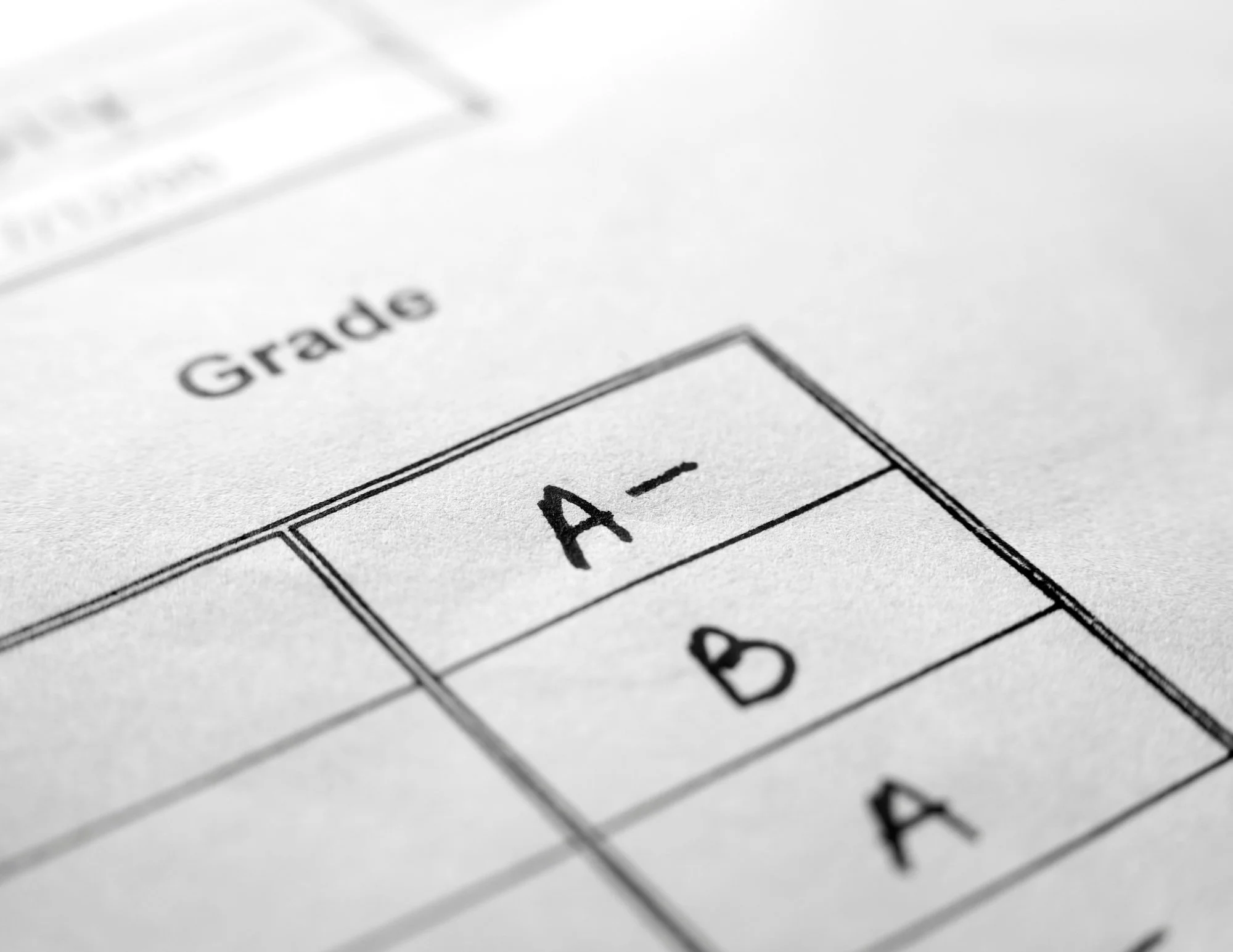
As the school year comes to a close, many families naturally focus on grades, test scores, teacher comments, and final projects. These things can provide useful information, but they do not tell the whole story of a child’s growth.
A report card captures performance. Reflection builds insight.
When children learn how to look back on their experiences with curiosity instead of judgment, they begin developing self-awareness, resilience, and a healthier relationship with learning. Reflection helps them notice progress, understand challenges, and imagine next steps. It turns learning into something deeper than a number or label.
Reflection is a skill
Many adults assume reflection happens automatically. It does not.
Children often need help learning how to pause, notice, and make meaning from their experiences. Without support, they may default to overly simple conclusions: “I’m bad at math,” “I’m not smart,” “I did great,” or “I just hate writing.” Reflection teaches them to go deeper.
Instead of judging themselves, children can learn to ask:
What felt easier this year?
What was hard for me?
When did I feel proud?
What helped me grow?
What do I want to keep working on?
These kinds of questions help children build a more accurate and compassionate understanding of themselves as learners.
Why reflection matters beyond school
Reflection supports much more than academics. It strengthens executive functioning, emotional regulation, problem-solving, and confidence. When children practice reflection, they become better able to:
recognize patterns
learn from mistakes
set realistic goals
communicate their needs
celebrate progress
This is especially valuable for children who tend to be perfectionistic or hard on themselves. Reflection gives them language for growth that is not based entirely on success or failure.
The Missing Link: How Executive Function Shapes Everyday Learning
Make reflection feel safe
If reflection feels like evaluation, many kids will shut down. That is why tone matters so much.
Children are more open when reflection feels conversational, supportive, and low-pressure. You do not need a formal worksheet to do it well. Sometimes the best reflection happens casually: during a walk, in the car, at bedtime, or over a snack.
You might say:
“What is something you can do now that felt harder at the beginning of the year?”
“What is one challenge you handled better than you used to?”
“What helped you get through hard moments this year?”
“What do you want next year to feel like?”
These questions invite growth-minded thinking without turning the moment into a performance.
Help kids notice more than outcomes
One of the most valuable parts of reflection is teaching children to look beyond final results. A child who did not get the grade they hoped for may still have shown persistence, courage, creativity, or improved independence. A child who earned strong grades may still need to reflect on stress, balance, or self-advocacy.
Try helping your child reflect on:
habits they improved
ways they showed kindness
times they kept going
skills they are still building
moments they surprised themselves
Small Acts, Big Impact: Encouraging Compassion in Everyday Life
Reflection builds resilience
When children learn to reflect well, they stop seeing learning as something that simply happens to them. They begin to see themselves as active participants in their own growth.
That shift matters.
A reflective child is more likely to say, “This was hard, but I learned something,” instead of “I failed.” They are more likely to recognize progress, ask for help, and move forward with self-awareness.
At the end of the year, report cards may still matter. But they are only one piece of the story.
The deeper goal is to help children develop the habits of mind that will serve them long after any school year ends: curiosity, honesty, perspective, and the ability to grow.
When families make space for reflection, they give children a gift that lasts far beyond the final grade.
Building Strong Parent-Child Bonds Through Everyday Micro-Moments
Written by Zoe G.