
The Homework Fix: How to Create Study Habits That Match Your Child’s Learning Style


Long-term academic and professional success relies on so much more than what students actually know: their ability to effectively process and manage information is critical to their success in any context. When it comes to improving this ability, it is helpful to move beyond generalized strategies to habits that are intentionally aligned with learners’ unique learning style and aptitudes. Homework, projects, and test preparation can be particularly overwhelming when students lack effective study skills or use methods that don’t align with how they learn (ie. a kinesthetic learner sitting still for hours of review without hands-on engagement or motion). A tailored approach to building these skills can transform nightly homework struggles into a manageable routine, while also significantly boosting both competence and confidence.

STRATEGY #1: THE VISUAL LEARNER 

Visual learners understand and retain information best when they can see and interpret information spatially. Study methods that emphasize color, graphics, images, and visual organization - while helpful to many types of learners - are particularly effective for students with this learning style. 

  • Mind Maps and Graphic Organizers: Instead of using traditional or chronological note-taking methods, mind maps and graphic organizers can help students visually conceptualize the connections that exist between main ideas and supporting details. Using different colors for different topics can further enhance memory retrieval.

  • Highlighting and Labeling: Students can strategically highlight and annotate the material, with an emphasis on written commentary and colored labels. However, highlighting is best reserved for essential terms and phrases to avoid visual overwhelm and a loss of clarity regarding what is truly important. Pictures or symbols can play a critical role in enhancing the lasting effects of any type of review. For instance, vocabulary terms and the names of key people or places can be correlated to related images to make these concepts less abstract and more experiential. 

  • Visual Timelines: For sequencing tasks, creating a visual timeline on a whiteboard, digital platform, or large paper allows students to see the progression of events, making complex historical or literary narratives easier to comprehend and retain. It can also be helpful to emphasize the relationships between events. For example, students might examine how and why events unfolded the way they did, and explore how preceding events may have influenced later ones. 

STRATEGY #2: THE AUDITORY LEARNER 

Auditory learners excel when they can hear and discuss information. Their ideal study environment should prioritize sound, rhythm, and verbal repetition.

  • Verbalization and Recitation: Instead of reading in silence, students can read notes aloud or share the material with a friend or family member. The act of speaking the information reinforces learning more meaningfully than rote, internal repetition. Further still, making a nightly practice of talking about what they are learning during dinner can strengthen family relationships while also supporting their ability to recall and explain new material.

  • Recording and Listening: Recorded lectures or notes that students can then listen to multiple times can help solidify memory. Students can also create audio summaries of textbook chapters and listen to them during travel or exercise.

  • Group Discussion: In addition to the many benefits that are natural to collaborative learning, structured study sessions where concepts are debated or explained from diverse perspectives can offer valuable auditory input and strengthen understanding through dialogue.

STRATEGY #3: THE KINESTHETIC LEARNER 

Kinesthetic (tactile) learners learn best when they are actively doing, moving, and interacting physically with new material. Effective strategies should find creative ways to incorporate motion and hands-on activities.

  • Role-Playing and Movement: To study vocabulary or characters, flashcards can be correlated with an action (ie. jump for an adverb or clap for a verb). Focus and retention can also be improved by moving around while reciting facts, listening to an audio of the content/text, role playing key moments, or working through challenging problems on a walk. 

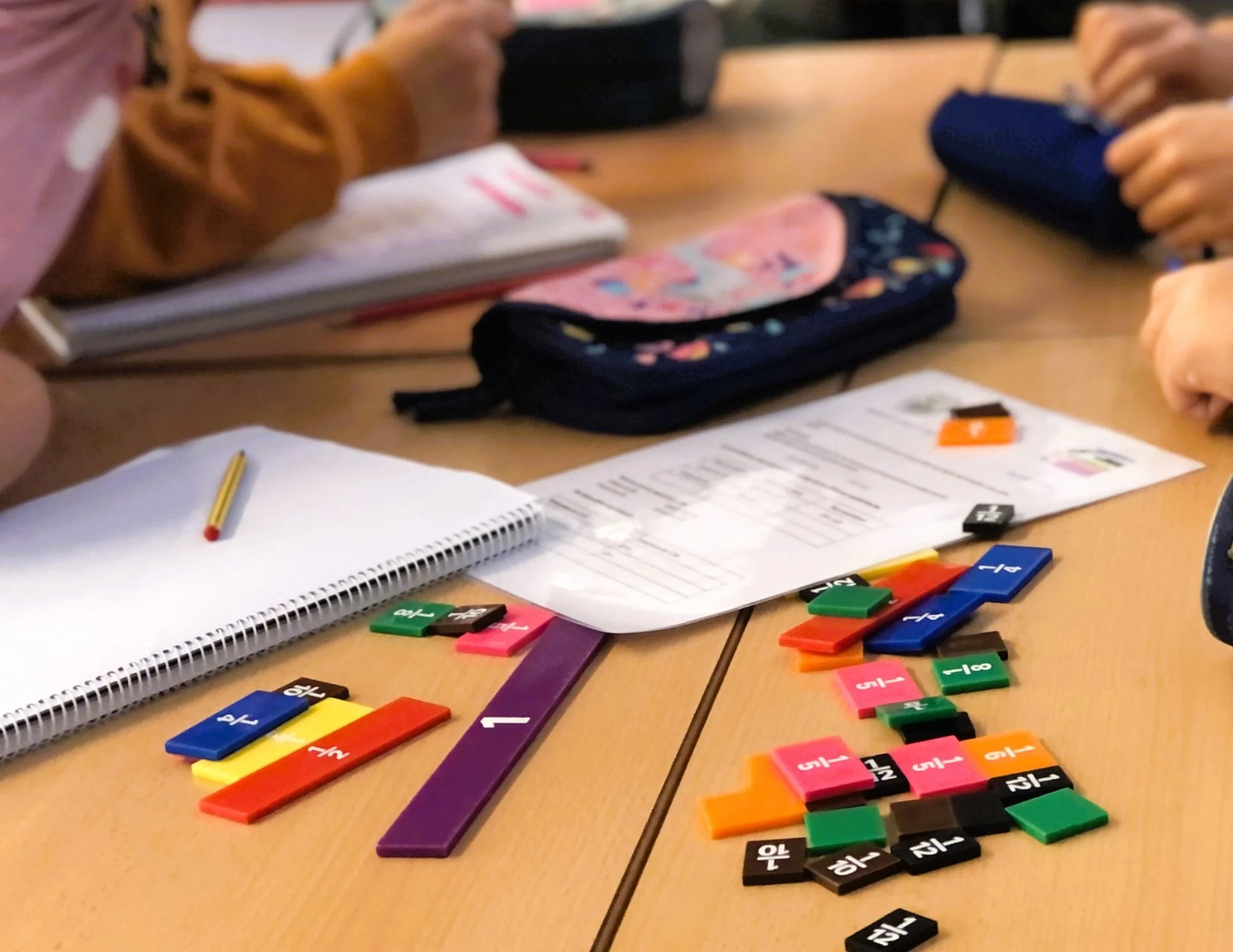
  • Manipulatives and Experimentation: For nearly any subject, using physical objects (aka manipulatives) to represent concepts transforms abstract ideas into tangible experiences. For instance, students might use blocks for algebra, build models for anatomy, or create paper cutouts for grammatical elements that can be rearranged to help illustrate the relationship between clauses, phrases, and different types of punctuation. 

Personalizing how young learners approach their study skills empowers them to shift their focus away from simply completing homework to truly mastering the material through habits designed for their unique journey to success. When they reflect on their natural learning style and take action to implement strategies tailored to that, they strengthen and enhance their self-awareness, metacognitive thinking processes, and academic resilience - all essential components for lifelong learning.

Written by Brandi R.

Homework Help: 7 Targeted Strategies to Improve Focus and Sustained Attention


Social media notifications, texts from friends, siblings playing, and the TV blaring in the background—does it all feel chaotic yet? In a world filled with constant stimuli and distraction, it's all too easy for the mind to wander during precious homework time. Thankfully, there are many strategies you can implement at home to enhance your secondary students’ focus and attention for a more productive work time.

Set a Routine

Establishing a consistent homework routine is the first step toward more productive study sessions. It doesn't have to be complicated. Students should reflect on their most successful homework days. Did they start with a specific subject? Did they tackle harder or easier tasks first? Did they begin with a snack or listen to calming music? Identifying key elements and incorporating them into a daily routine can significantly improve focus. For those who prefer structure, written schedules with subject and time breakdowns can be helpful. Alternatively, creating a visual "my homework routine" chart on a whiteboard or piece of paper can also be effective.  For more ideas, check out our past blog about crafting the ultimate homework routine here.

Craft a Workspace

A conducive workspace is crucial for concentration and sustained attention. A clean, organized home workspace not only promotes focus but also offers psychological benefits. While some students may prefer a completely isolated workspace in a separate room, others might benefit from a corner close to family areas for occasional check-ins. Personalizing the workspace with touches that reflect individual interests fosters a sense of ownership and makes it a welcoming environment. See our past blog here for more ideas on how to create a home workspace.

Break it Down

Homework assignments for secondary students often involve multiple steps. Using a planning tool, such as a step-by-step worksheet, can help break down each assignment into manageable components, making them less daunting and more achievable. Setting a deadline for each step is also supportive.

Utilize Timers and Breaks

Introducing timers and breaks can aid focus during homework sessions. Phone apps, sand timers, and visual timers are all useful and can help determine the student’s concentration span. After each work interval, encourage a short 5-10 minute break to recharge before resuming work.

Build in Mindfulness and Exercise

Incorporating mindfulness techniques and physical activities can enhance sustained attention. During breaks, try integrating brief mindfulness exercises, like breathing exercises. The 4-7-8 breathing technique—inhaling for four counts, holding for seven counts, and exhaling slowly for eight counts—can promote a sense of calm and focus. Some students need movement breaks to get excess energy out. Students can try physical activities, such as yoga, jumping jacks, burpees, or jump roping.

Try Productivity Apps

Leverage technology to boost productivity. Install tools like Mindful Browsing to gently redirect attention back to tasks if distractions arise. Additionally, consider using apps that block specific websites or apps for designated periods to minimize distractions during homework time.

Introduce Rewards

Sometimes, a little incentive can go a long way in maintaining focus. Implementing reward systems, such as offering a weekly or monthly reward for completing homework tasks on time, or providing smaller daily rewards, like extra TV time or a treat, can motivate students to stay on task.

Focusing during homework time isn’t always easy, especially in today's digitally driven world. However, incorporating these suggested strategies can pave the way for increased sustained attention and productivity at home. By creating a conducive environment, establishing routines, and utilizing technology wisely, students can better navigate distractions and achieve academic success.

Written by Laine J.

Curing Those Homework Time Blues


Homework time can be one of the most stressful times of day. After all, kids already spend 6-7 hours per day at school and are then asked to do even more work once they get home. This can feel frustrating and draining. By putting structures and positive practices into place, homework time can become more manageable and feel pleasant for the whole family. While tutoring is a great option for support, there are steps you can take to create the perfect homework routine for your family.

Set up a Daily Routine

One of the first steps you can take at home is to set up a dedicated workspace for your children for their homework time block you set each day. This space should be inviting and distraction free. Although your children may initially complain and whine, setting up a system where they put their cell phone and other electronic devices away in a specific spot during their homework block will greatly reduce distraction. If you stay consistent with this practice, they will soon build good habits that will translate to other independent work time.

Use Sustained Attention Tricks

Sustaining attention during work time can be particularly challenging for students with ADHD and executive function deficits. One helpful strategy you can try if you have a child who struggles with this is body doubling, a technique where you sit quietly in the same or an adjacent viewable room to model focused work time. This makes your child feel more comfortable and encourages completion of tedious tasks that might otherwise be neglected. For those who still have difficulty, students can also try to stimulate one of their senses by using a fidget or putty in their non-dominant hand, sucking on a mint or listening to soft instrumental music. By giving their bodies something to do, it can enable their brain to focus better on the work task at hand.

Set Movement Breaks

Each student’s attention span is unique. Some kids can sit for an hour straight and some need a brain break every ten minutes. Whatever the case may be for your children, you can set a timer for each of their work cycles and then encourage them to get up and move their bodies for five minutes to reset. The trick is to learn how long they can work before losing focus, as you want to catch them for a movement break just before. To reenergize, they might like to jump on a small indoor exercise trampoline or have mini dance party to their favorite song. To recenter, they can try choosing a couple yoga poses or stretches that they enjoy. The key is, however, to structure your kids’ movement breaks so that they know after five minutes they need to get right back to work.

Find Pick-Me-Ups

Let’s face it, homework isn’t always fun. Finding small ways to make the time a little more enjoyable is important. Some ideas your kids can try (depending on their age) include: having a stuffed animal nearby, eating a small handful of their favorite snack after each task, having a family pet sleep at their feet or setting up a homework date with a friend. Study time can also feel more pleasurable by turn studying into a game or to use a white board with fun colors and visuals for practice.

Develop Metacognitive Practices

Encouraging your kids to attempt their homework assignments independently first is a great way to foster independence. You can offer small colored Post-It Page Markers to your children to flag items that feel confusing or difficult and invite them to check in with you near the end of their homework block for assistance. Having them communicate what they do versus do not comprehend enables them to build important metacognitive skills.

Written by Krista G.